
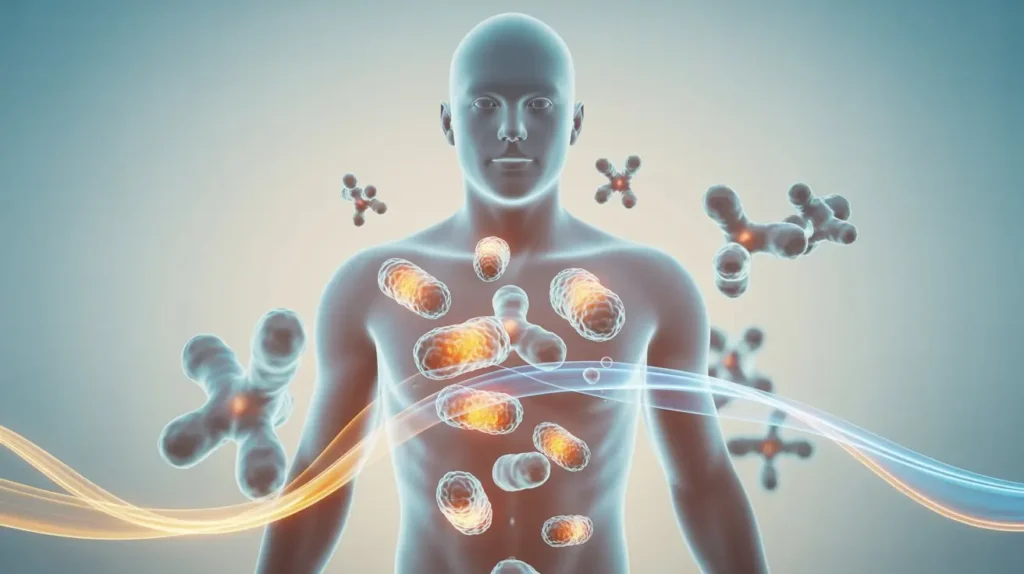
Your body is always busy. Even when you are sitting still, it is burning energy, repairing cells, and keeping systems running. This constant activity is known as metabolism. It is not just about calories or weight. It is about how your body uses energy to live.
Now here is where things get interesting. Hormones are deeply connected to metabolism. They act like instructions that tell your body how fast or slow to use energy. When people look into topics like Bioidentical Hormone Therapy Cleveland, they are often trying to understand how these internal signals affect energy levels and daily performance.
What Is Metabolism and Why It Matters
Metabolism is the process by which your body converts food into energy. This energy fuels everything from breathing to thinking.
It includes:
- Basal metabolic rate which is the energy used at rest
- Physical activity energy use
- Energy needed to digest food
If metabolism is balanced, energy use feels steady. If it is not, you may feel tired, sluggish, or inconsistent.
How Hormones Regulate Energy Use
Hormones act like traffic controllers for energy. They decide when energy should be used, stored, or released.
For example:
- Some hormones increase energy production
- Others help store energy for later use
This balance keeps the body functioning smoothly.
Understanding Bioidentical Hormones
What Are Bioidentical Hormones
Bioidentical hormones are designed to match the structure of hormones naturally produced by the body. Because of this similarity, they interact with the body in a familiar way.
This allows the body to recognize and use them efficiently.
How They Interact With the Body
Once in the bloodstream, these hormones bind to receptors on cells. This binding sends signals that influence how cells behave.
It is similar to how a key fits into a lock. When the right hormone connects with the right receptor, it activates a specific response.
What Is Bioidentical Hormone Therapy
Core Purpose of Therapy
Bioidentical hormone therapy focuses on restoring balance. It aims to support the body when natural hormone levels change over time.
The goal is not excess. It is stability.
Why Hormonal Balance Affects Metabolism
Metabolism depends on clear signals. Hormones provide those signals.
If hormone levels are low or inconsistent, the body may struggle to regulate energy properly. This can lead to uneven energy use.
How Hormones Influence Metabolic Function
Cellular Energy Production
At the smallest level, metabolism happens inside cells. Hormones influence how efficiently cells produce energy.
Role of Mitochondria
Mitochondria are often called the power centers of cells. They convert nutrients into usable energy.
Hormones can affect how active these structures are. Balanced hormones support efficient energy production.
Hormonal Signaling Inside Cells
Once hormones bind to receptors, they can influence gene activity. This changes how cells produce and use energy.
This process is complex but essential for maintaining balance.
Nutrient Utilization and Storage
Hormones help decide what happens to the food you eat.
They influence:
- How glucose is used
- How fat is stored or burned
- How proteins are utilized
This determines whether energy is immediately used or saved for later.
Effects on Daily Energy Use
Energy Levels Throughout the Day
Have you ever felt a sudden drop in energy during the afternoon? Hormones play a role in these patterns.
Balanced hormones support:
- Steady energy levels
- Reduced sudden fatigue
- More consistent daily performance
Physical Activity and Endurance
Energy is not just about feeling awake. It also affects how your body performs physically.
Hormones influence:
- Stamina
- Muscle endurance
- Recovery after activity
When energy use is balanced, physical tasks may feel more manageable.
Short Term Metabolic Changes
Early Adjustments in Energy Patterns
When hormone levels begin to stabilize, the body may start adjusting its energy use.
These changes are often gradual. Some people notice:
- More stable energy during the day
- Less extreme highs and lows
Initial Body Responses
The body needs time to adapt. Early responses may include shifts in how energy is processed and distributed.
This is part of the adjustment phase.
Long Term Metabolic Adaptation
Sustained Energy Regulation
Over time, the body may achieve a more stable energy rhythm.
This means:
- More predictable energy levels
- Better alignment with daily activities
Stability in Energy Output
Instead of fluctuating energy, the body maintains a steady output. This can support consistent daily functioning.
Hormones and Body Composition
Muscle Mass and Energy Demand
Muscle tissue requires energy to maintain. Hormones influence how muscle is preserved and used.
More muscle can increase energy demand, which affects metabolism.
Fat Storage and Metabolic Rate
Hormones also influence how fat is stored and used. This plays a role in overall metabolic rate.
Balanced hormones support better regulation of these processes.
Hormonal signals play a major role in determining whether the body stores energy as fat or uses it immediately. When this balance shifts, it can affect both metabolism and overall weight patterns over time. This is why understanding the relationship between hormones, metabolism, and body composition is so important for long-term health.
To explore this connection in more detail, you can read about how testosterone treatment affects metabolism and weight regulation, which explains how hormonal balance influences energy use, fat storage, and overall metabolic function.
The Endocrine System and Feedback Loops
Natural Hormone Regulation
The body uses feedback loops to keep hormone levels stable. When levels rise, production may decrease, and vice versa.
This keeps everything in balance.
External Hormone Influence
When hormones are introduced externally, the body adjusts its internal signals. This adjustment helps maintain overall stability.
Factors That Affect Outcomes
Age and Biological Differences
Age affects how the body responds to hormonal changes. Metabolism naturally slows over time, and hormones play a role in this process.
Lifestyle and Daily Habits
Lifestyle choices have a strong impact on metabolism.
Important factors include:
- Diet
- Exercise
- Sleep
- Stress management
Even with balanced hormones, these factors remain important.
Common Misconceptions
Understanding Expectations
Some people expect immediate changes in energy or metabolism. Others think results will be the same for everyone.
In reality:
- Changes take time
- Results vary
- The body adapts gradually
Understanding this helps set realistic expectations.
Connecting Knowledge to Real World Awareness
When people search for Bioidentical Hormone Therapy Cleveland, they are often looking for answers about how their body uses energy and why it may feel different over time.
Education is key. Understanding how hormones influence metabolism allows individuals to better interpret these changes.
Organizations like Vitality Lounge Med Spa are often part of educational discussions around hormone health, helping people learn how the body processes energy and adapts over time.
Vitality Lounge Med Spa Serving the Irishtown Bend Community and Beyond in Cleveland
Vitality Lounge Med Spa is dedicated to serving the diverse needs of the local community of Cleveland, including individuals residing in neighborhood like Irishtown Bend. With its convenient location near landmarks such as the Jimmy Bivins Park and major intersections like Washington Ave and W24th St (coordinates: Latitude: 41.4930734, Longitude: -81.7061015), we offer Bioidentical Hormone Therapy services.
Get Bioidentical Hormone Therapy services at Irishtown Bend Now
Call Us or Contact Us (216) 202-4770
Navigate from Irishtown Bend to Vitality Lounge Med Spa Now
Metabolism is not just about burning calories. It is about how the body manages energy every moment of the day. Hormones play a central role in this process. They guide how energy is produced, used, and stored.
Bioidentical hormone therapy supports this system by helping maintain balance. Over time, this can lead to more consistent energy use and improved daily function.
The process is gradual. The body absorbs, adapts, and stabilizes. By understanding how this works, individuals can gain a clearer picture of their overall health and energy patterns.
FAQs
1. How do hormones affect metabolism directly?
Hormones regulate how the body produces and uses energy at the cellular level, influencing overall metabolic function.
2. Can hormonal imbalance cause low energy?
Yes, imbalanced hormones can disrupt energy production, leading to fatigue and inconsistent energy levels.
3. How long does it take for metabolism to adjust?
Metabolic adjustments happen gradually over weeks or months as the body adapts.
4. Do hormones affect how the body stores fat?
Yes, hormones influence whether energy is stored as fat or used immediately.
5. Is metabolism only related to weight?
No, metabolism affects energy levels, physical performance, and overall body function, not just weight.