
Aging is a natural process that affects every system in the body, including the skeletal system. Bones that once felt strong and resilient may gradually lose density and strength over time. This process is subtle and often goes unnoticed until a fracture or injury occurs. Because bone loss can progress quietly, monitoring bone health becomes increasingly important as people grow older.
One diagnostic tool frequently used in preventive healthcare is the DEXA scan. For individuals interested in understanding their skeletal health, a Dexa Scan Cleveland providers offer is often discussed as a reliable method for measuring bone density and identifying potential concerns early. Health professionals at facilities such as Vitality Lounge Med Spa often highlight the importance of understanding bone health metrics as part of a broader approach to wellness and aging.
In this article, we will explore how a DEXA scan works, why bone density matters, and how this technology helps track bone health during aging.
Understanding Bone Health and Aging
Bones are living tissues that constantly renew themselves. Throughout life, the body breaks down old bone cells and replaces them with new ones. During youth and early adulthood, this process keeps bones dense and strong. However, as people age, the balance between bone breakdown and bone formation gradually shifts.
Why Bones Naturally Change Over Time
Bone mass typically reaches its peak during early adulthood. After this peak, bone density slowly begins to decline. The speed of this decline varies based on genetics, lifestyle, hormonal changes, and nutrition.
For example, calcium plays a major role in maintaining bone strength. If the body does not receive enough calcium through diet, it may withdraw calcium from bones, which gradually weakens their structure.
The Silent Nature of Bone Loss
One of the most challenging aspects of bone health is that bone loss usually occurs without noticeable symptoms. Unlike muscle injuries or joint pain, bone density reduction does not always cause discomfort. Many people only discover bone weakness after a fracture occurs from a relatively minor fall.
This silent progression is one reason medical professionals emphasize preventive bone health monitoring.
What a DEXA Scan Is and How It Works
A DEXA scan, also known as dual energy X ray absorptiometry, is a diagnostic imaging technique used to measure bone mineral density. The test is considered one of the most accurate methods available for evaluating bone strength.
The Science Behind Bone Density Measurement
Bone mineral density refers to the amount of mineral content within a specific area of bone. Higher mineral density generally indicates stronger bones, while lower density may suggest bone weakening.
DEXA technology measures how much X ray energy passes through bone tissue. Because dense bones absorb more radiation than less dense bones, the scanner can calculate bone density based on these absorption patterns.
How X ray Technology Measures Bone Mineral Density
During the scan, a specialized imaging device sends two low dose X ray beams through the body. These beams interact differently with bone and soft tissue. By comparing the absorption of each beam, the scanner calculates precise bone density values.
The procedure is quick and painless, usually taking less than thirty minutes.
Areas of the Body Commonly Examined
DEXA scans typically focus on regions where fractures are more likely to occur due to bone weakness. These areas include the hip, spine, and sometimes the forearm.
These locations provide valuable insights because they bear significant weight and are often affected by age related bone loss.
Why Bone Density Matters as You Age
Bone density is closely linked to fracture risk. When bones lose density, they become more fragile and susceptible to breaks.
Relationship Between Bone Density and Fracture Risk
As bone density declines, the internal structure of bones changes. Tiny supportive structures inside bones become thinner and less connected. This structural weakening increases the likelihood of fractures from everyday activities.
A simple fall that might have been harmless in younger years can result in serious injury when bone density decreases.
How Lifestyle Influences Bone Strength
Several lifestyle factors influence bone density throughout life. Physical activity, especially weight bearing exercises like walking or resistance training, stimulates bone growth and strengthens skeletal structure.
Diet also plays an important role. Nutrients such as calcium, vitamin D, and protein support bone formation and maintenance.
How a DEXA Scan Helps Track Bone Health During Aging
Monitoring bone density is similar to tracking blood pressure or cholesterol levels. It provides measurable information about a critical aspect of health.
For individuals researching diagnostic options such as a Dexa Scan Cleveland, understanding how bone density monitoring works can provide valuable insight into long term skeletal health.
Monitoring Bone Density Changes Over Time
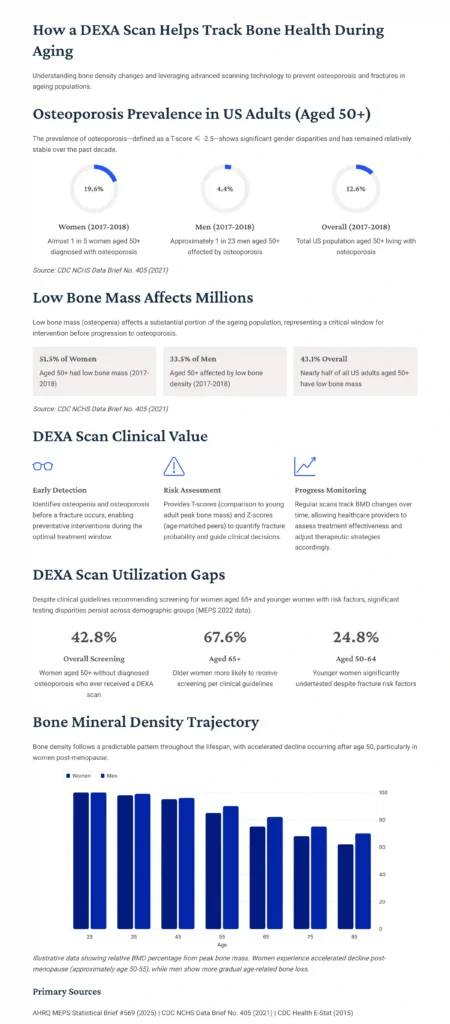
One of the key advantages of DEXA technology is its ability to track bone density changes across multiple years. By comparing scan results over time, healthcare providers can observe trends in bone health.
These trends reveal whether bone density is stable, improving, or declining.
Identifying Early Signs of Bone Loss
Early detection is crucial when addressing bone health concerns. A DEXA scan can detect small reductions in bone density long before symptoms appear.
Detecting Osteopenia Before Osteoporosis Develops
Osteopenia refers to bone density that is lower than normal but not yet in the osteoporosis range. Detecting osteopenia early allows individuals to make lifestyle adjustments that support bone health.
Preventive awareness plays a major role in reducing the risk of severe bone weakening later in life.
Factors That Influence Bone Density
Bone health is shaped by a combination of biological and environmental influences.
Hormonal Changes
Hormones play a critical role in bone metabolism. For example, estrogen helps protect bone density in women. After menopause, estrogen levels decline, which can accelerate bone loss.
Hormones play a critical role in maintaining bone density throughout life. For example, estrogen helps preserve bone strength, and its decline after menopause can accelerate bone loss. Understanding how these hormonal shifts affect skeletal health can provide deeper insight into long-term bone changes. Exploring topics such as how hormone therapy influences bone structure over time can offer additional perspective, which examines the connection between hormone levels and bone health in greater detail.
Nutrition and Calcium Intake
Bones act as a reservoir for calcium, a mineral essential for structural integrity. Adequate dietary intake helps maintain this balance.
Physical Activity and Bone Stimulation
Bones respond to physical stress. Activities that involve weight bearing movements stimulate bone forming cells, encouraging stronger skeletal structures.
Interpreting DEXA Scan Results
Understanding scan results helps individuals make sense of their bone health status.
Understanding T Scores and Z Scores
DEXA results are typically reported using two measurements.
The T score compares a person’s bone density with that of a healthy young adult. The Z score compares bone density with people of the same age and body type.
What Your Results Reveal About Bone Strength
These scores help determine whether bone density is normal, slightly reduced, or significantly weakened.
They also provide a baseline for future comparisons.
Long Term Bone Health Monitoring
Bone density monitoring is most effective when viewed as part of an ongoing health assessment.
Tracking Bone Changes Over the Years
Repeated scans performed at recommended intervals allow healthcare professionals to track bone density patterns.
This long term data reveals whether bone health is stable or changing.
Adjusting Lifestyle Based on Bone Density Trends
Bone health data can encourage individuals to make positive lifestyle adjustments. Increasing physical activity, improving nutrition, or modifying daily habits may support stronger bones.
The Role of Preventive Health Monitoring
Preventive health strategies emphasize early awareness and proactive care.
Why Regular Bone Health Evaluations Matter
Just as people monitor heart health or blood sugar levels, bone health deserves similar attention. Regular evaluations provide information that helps individuals understand how their skeletal system is aging.
Bone Health Awareness in Later Life
As people live longer, maintaining mobility and independence becomes increasingly important. Strong bones contribute to balance, posture, and overall physical stability.
Bone Health Research and Diagnostic Advances
Advances in medical imaging have greatly improved the ability to evaluate bone health.
How Technology Has Improved Bone Density Testing
Modern imaging tools provide highly accurate measurements with minimal radiation exposure. These innovations allow researchers and healthcare providers to understand bone health patterns more clearly than ever before.
Facilities such as Vitality Lounge Med Spa often discuss these advancements when educating individuals about diagnostic technologies such as the Dexa Scan residents sometimes explore while learning about bone density testing.
Bone health plays a vital role in maintaining mobility and overall quality of life during aging. Because bone loss can develop quietly over many years, monitoring skeletal health becomes an important part of preventive wellness.
DEXA scanning technology offers a reliable way to measure bone density and observe how bones change over time. By tracking these changes, individuals gain valuable insights into their skeletal strength and potential fracture risk.
Understanding bone density trends empowers people to make informed decisions about lifestyle habits that support stronger bones. As research and technology continue to evolve, tools such as the DEXA scan remain essential in helping individuals better understand the long term health of their skeletal system.
FAQs
1. What is the main purpose of a DEXA scan?
A DEXA scan measures bone mineral density to evaluate bone strength and identify potential signs of bone loss.
2. How long does a typical DEXA scan take?
Most DEXA scans take between ten and thirty minutes, depending on the areas being examined.
3. Why is bone density important during aging?
Bone density helps determine bone strength. Lower bone density increases the risk of fractures and skeletal injuries.
4. Can lifestyle habits influence bone density results?
Yes. Diet, exercise, and overall health habits can affect bone density levels over time.
5. What body areas are commonly evaluated in a DEXA scan?
The hip and spine are the most commonly scanned areas because they provide important information about overall skeletal health.