
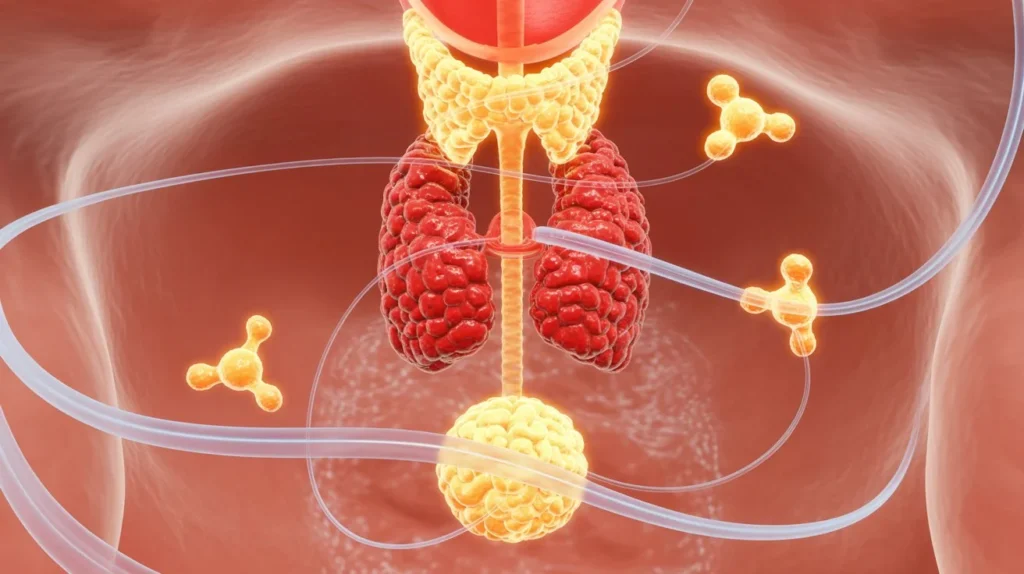
Hormones are the body’s invisible messengers. They whisper instructions to cells, regulate our energy, stabilize mood, and even decide whether we store or burn fat. When levels of these chemical signals shift out of balance, the body doesn’t always shout for attention—it sometimes whispers through subtle signs like fatigue, irritability, or memory fog.
Recognizing these early signs is critical. In some cases, these changes may point toward the need for medical discussions about hormone replacement therapy Cleveland as part of broader health planning. Community resources, including wellness centers such as Vitality Lounge Med Spa, are often highlighted in educational discussions about recognizing symptoms and the importance of accurate testing.
What Is Hormone Replacement Therapy?
General Definition and Purpose
Hormone replacement therapy (HRT) is a medical approach designed to restore declining hormone levels to a healthier balance. Unlike short-term fixes, HRT works to address root causes of certain symptoms associated with age or medical conditions.
How Hormone Replacement Therapy Works
In practice, HRT involves supplementing the body with bioidentical or synthetic hormones that mimic natural ones. The idea isn’t to create “superhuman” levels but to bring the body back into equilibrium where it functions best.
The Role of Hormones in the Body
Sex Hormones: Estrogen, Progesterone, and Testosterone
- Estrogen regulates reproductive health, bone strength, and cardiovascular wellness.
- Progesterone balances estrogen and influences mood, sleep, and menstrual cycles.
- Testosterone, present in both men and women, supports muscle mass, energy, and libido.
Metabolic Hormones: Thyroid and Insulin
The thyroid controls metabolism like a thermostat, while insulin manages blood sugar. Imbalances here can mean unexplained weight gain, sluggishness, or energy spikes and crashes.
Stress Hormones: Cortisol and Adrenal Function
Cortisol helps us respond to stress, but too much or too little can leave a person drained, anxious, or sleepless.
Hormonal Changes That Signal Possible Imbalance
Energy and Fatigue Shifts
One of the clearest signals is fatigue that lingers no matter how much rest you get. This could point to low thyroid hormones, testosterone, or adrenal fatigue.
Weight and Metabolism Changes
Stubborn belly fat or unexplained weight fluctuations may be tied to cortisol or insulin resistance rather than just poor diet.
Mood, Memory, and Cognitive Effects
Hormones influence neurotransmitters like serotonin and dopamine. Imbalances can trigger mood swings, irritability, or brain fog.
Sleep Disturbances and Circadian Rhythms
If you can’t stay asleep, wake frequently, or feel unrefreshed, melatonin, progesterone, or cortisol may be involved.
Changes in Skin, Hair, and Muscle Composition
Dry skin, brittle nails, hair thinning, or muscle loss are outward signs that deeper hormone shifts may be underway.
Age-Related Hormonal Shifts
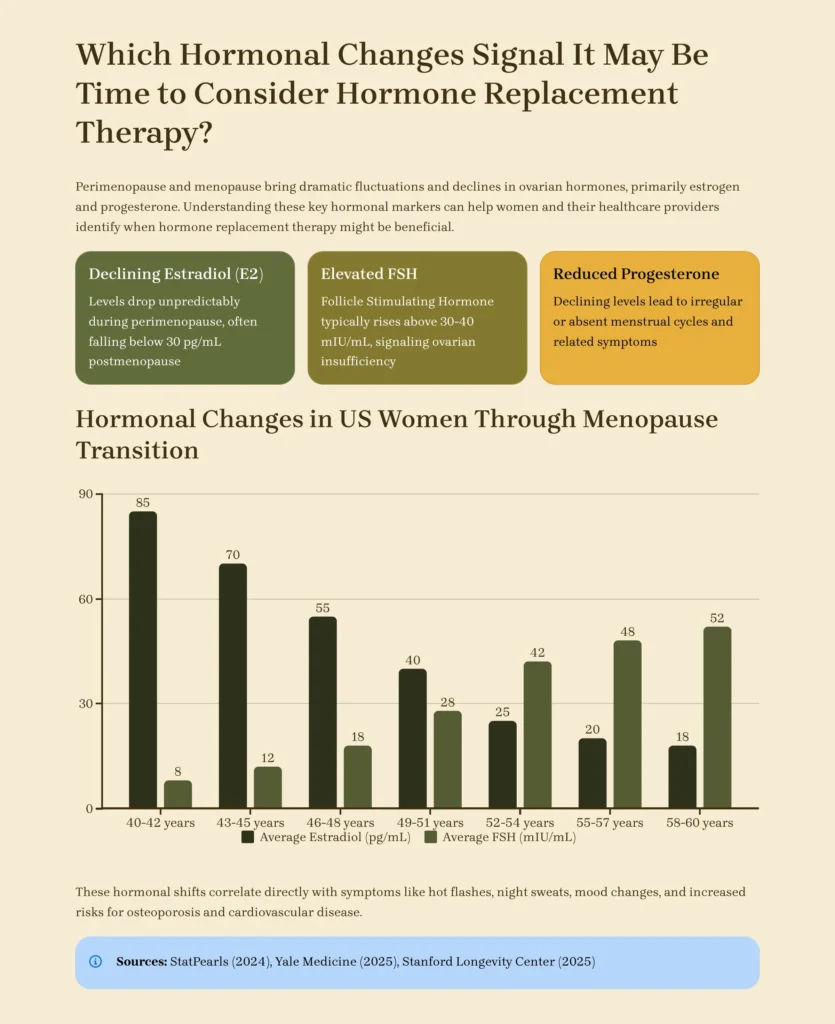
Perimenopause and Menopause in Women
Declining estrogen and progesterone during this phase cause hot flashes, irregular periods, and changes in mood or sleep.
Andropause in Men
Men gradually lose testosterone, often beginning in their 40s or 50s. This can lead to reduced stamina, motivation, and muscle strength.
Other Age-Linked Declines
Growth hormone and melatonin also dip with age, altering energy, recovery, and sleep quality.
Medical Conditions That Disrupt Hormonal Balance
Thyroid Disorders
Hypothyroidism slows metabolism and energy, while hyperthyroidism speeds everything up, sometimes to dangerous levels.
Adrenal Fatigue and Chronic Stress
Prolonged stress keeps cortisol elevated until the adrenal glands become fatigued, leading to burnout.
Insulin Resistance and Blood Sugar Imbalances
When cells stop responding to insulin properly, blood sugar spikes, which can worsen hormonal chaos.
How Hormonal Imbalance Is Diagnosed
Blood Tests and Panels
Standard tests measure levels of estrogen, progesterone, testosterone, thyroid hormones, and cortisol.
Saliva and Urine Testing
These methods can capture fluctuations throughout the day, giving a fuller picture.
Symptom Tracking and Clinical Evaluation
Numbers don’t tell the whole story. Doctors combine lab results with personal symptoms to understand whether hormone replacement therapy cleveland may be appropriate.
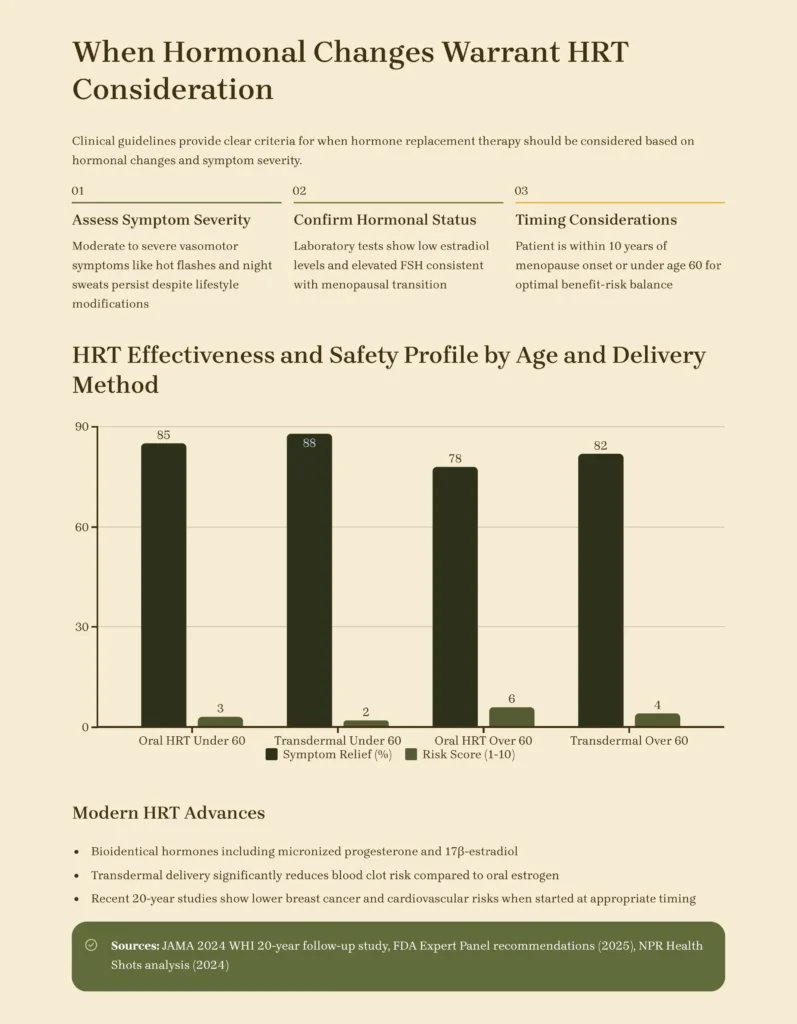
When to Consider Hormone Replacement Therapy
Severity of Symptoms
Mild mood swings or occasional tiredness may not warrant HRT. But daily exhaustion, hot flashes, or memory lapses might.
Quality of Life Impact
When hormonal changes begin affecting work, relationships, or general wellbeing, therapy becomes a consideration.
Combination of Lab Results and Daily Experience
A diagnosis is never based solely on symptoms or numbers. Both need to align for HRT to be considered.
Benefits of Recognizing Hormonal Changes Early
Preventing Long-Term Health Risks
Unmanaged imbalances can increase risks for osteoporosis, heart disease, and metabolic syndrome.
Improved Mental and Physical Wellbeing
Early intervention supports stable energy, emotional balance, and stronger immunity.
Lifestyle and Natural Approaches to Support Hormones
Nutrition and Dietary Patterns
Balanced protein, healthy fats, and fiber-rich foods help maintain stable insulin and sex hormone levels.
Exercise and Muscle Health
Resistance training boosts testosterone and growth hormone, while cardio supports overall balance.
Sleep Hygiene and Stress Reduction
A consistent sleep schedule and mindfulness practices help regulate cortisol and melatonin.
Case Example: Hormone Assessment in Cleveland
Role of Local Clinics and Testing
In Cleveland, hormone testing often includes blood panels, symptom questionnaires, and sometimes saliva or urine studies.
How Vitality Lounge Med Spa Approaches Hormone Health
Educational case discussions sometimes reference how clinics, including Vitality Lounge Med Spa in Cleveland, approach the early identification of subtle hormonal shifts. This often involves evaluating levels of estrogen, progesterone, testosterone, and thyroid function to understand how changes in these hormones affect overall well-being.
Vitality Lounge Med Spa Serving the The Flats Community and Beyond in Cleveland
Vitality Lounge Med Spa is dedicated to serving the diverse needs of the local community of Cleveland, including individuals residing in neighborhood like The Flats. With its convenient location near landmarks such as the Atwood Industries Inc. and major intersections like Washington Ave and W 24th St (coordinates: Latitude: 41.4930734, Longitude: -81.707303), we offer hormone replacement therapy services.
Get hormone replacement therapy Services at The Flats Now
Call Us or Contact Us (216) 202-4770
Navigate from The Flats to Vitality Lounge Med Spa Now
Listening to Hormonal Signals
Hormones don’t stay constant forever. Some shifts are natural, but when changes begin to disrupt energy, mood, or physical health, they may signal the right time to consider hormone replacement therapy cleveland as one option in a broader health plan. By understanding how hormones work, tracking symptoms, and seeking professional evaluation, individuals can better manage these changes and maintain long-term vitality.
FAQs
- What are the earliest signs of hormonal imbalance?
Fatigue, mood swings, and changes in sleep are often the first red flags. - Which hormones typically decline with age?
Estrogen, progesterone, testosterone, growth hormone, and melatonin are the most common. - Can lifestyle changes alone fix hormonal imbalances?
For mild imbalances, diet, exercise, and stress management can help. More severe cases may require medical therapy. - How is hormone replacement therapy monitored?
Regular lab tests and symptom tracking ensure levels remain within safe, effective ranges. - Why is testing important before starting therapy?
Symptoms can overlap with other conditions. Accurate testing ensures the right treatment approach.