

Aging is a complex process influenced by genetics, lifestyle, and, importantly, hormones. Among these, testosterone plays a central role in maintaining strength, energy, and vitality. As men age, testosterone levels naturally decline, which can impact muscle mass, mood, and metabolic health. Research indicates that addressing low testosterone through appropriate medical guidance may support aspects of healthy aging. Understanding how low testosterone treatment Cleveland programs approach these changes offers insights into its potential benefits.
Testosterone and Its Role in the Body
What Is Testosterone?
Testosterone is a steroid hormone primarily produced in the testes, though smaller amounts are produced in the adrenal glands. It is central to male sexual development but also influences bone density, muscle mass, fat distribution, mood regulation, and cognitive function. Essentially, testosterone helps keep the body “youthful” in terms of structure and function.
How Testosterone Affects Overall Health
Testosterone affects multiple systems simultaneously. In muscles, it promotes protein synthesis and strength. In bones, it stimulates mineralization to maintain density. It also affects red blood cell production, cardiovascular function, and neurotransmitter activity in the brain. This multi-system impact explains why low testosterone can manifest in various physical and cognitive ways.
Normal Testosterone Levels Across Age
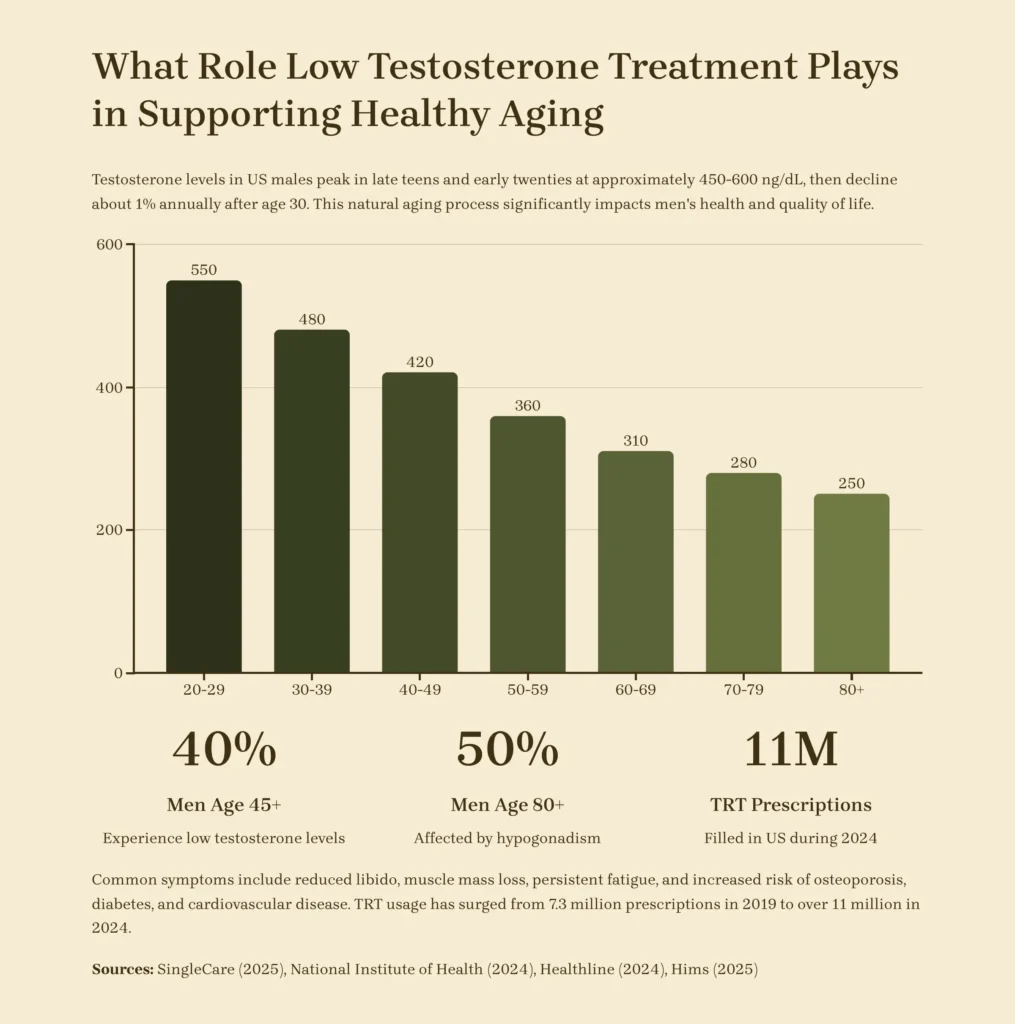
Testosterone peaks in early adulthood and gradually declines at a rate of about 1–2% per year after age 30. Levels vary widely, but typical adult male ranges are 300–1,000 ng/dL. Tracking these levels in conjunction with symptoms helps determine whether medical intervention is needed.
Understanding Low Testosterone
Causes of Low Testosterone
Low testosterone, or hypogonadism, can be caused by aging, chronic illness, genetic conditions, certain medications, obesity, and lifestyle factors. Primary hypogonadism involves testicular dysfunction, while secondary hypogonadism stems from issues in the hypothalamus or pituitary gland.
Signs and Symptoms of Low Testosterone
Physical Changes
Reduced muscle mass, increased body fat, decreased bone density, low energy, and reduced stamina are common physical indicators.
Cognitive and Emotional Effects
Low testosterone can contribute to memory lapses, difficulty concentrating, irritability, and depressed mood. Men may also experience reduced motivation and decreased overall quality of life.
Metabolic Changes
Testosterone influences insulin sensitivity and fat metabolism. Low levels may lead to weight gain, particularly abdominal fat, and an increased risk of metabolic syndrome.
Low Testosterone and Aging
Muscle Mass and Strength Decline
As testosterone declines, muscle protein synthesis slows, leading to reduced strength, slower recovery, and higher susceptibility to injury. Low testosterone treatment can counteract some of these age-related losses by promoting anabolic activity.
Bone Density and Fracture Risk
Testosterone is crucial for maintaining bone mineral density. Low levels accelerate bone loss, increasing fracture risk. Research shows that testosterone supplementation can stabilize or improve bone health in aging men.
Energy, Mood, and Cognitive Function
Fatigue, decreased motivation, and cognitive decline are common in men with low testosterone. Therapy may improve mental clarity, emotional resilience, and energy levels, contributing to healthier aging.
Cardiovascular Health Considerations
Testosterone influences lipid metabolism, vascular tone, and blood pressure regulation. Properly monitored therapy may support cardiovascular health, though more studies are ongoing to fully understand long-term effects.
How Low Testosterone Treatment Supports Healthy Aging
- Muscle and Skeletal Support – By promoting protein synthesis, testosterone helps preserve lean muscle mass and supports joints and bones, improving balance and reducing fall risk.
- Metabolic and Weight Management – Testosterone helps regulate fat distribution and glucose metabolism. Treatment can improve insulin sensitivity, reduce abdominal fat, and support metabolic health.
- Mood and Cognitive Benefits – Restored testosterone levels enhance neurotransmitter activity, positively impacting mood, memory, and cognitive function.
- Cardiovascular Considerations – While research is ongoing, some studies indicate improved vascular function and lipid profiles with testosterone optimization.
Research Evidence on Low Testosterone Treatment
Clinical Trials and Observational Studies
Multiple studies demonstrate that testosterone therapy improves lean body mass, reduces fat mass, enhances bone density, and positively affects mood and quality of life. Research highlights not only short-term improvements but also long-term testosterone benefits, with trials showing sustained gains in men with clinically low levels.
Studies Conducted in Cleveland and Surrounding Areas
Research from Cleveland and other regions has contributed valuable data showing improvements in energy, muscle function, and bone density following low testosterone treatment. Studies evaluating low testosterone treatment Cleveland populations provide insights into how hormone optimization can support healthy aging without linking to specific providers.
Mechanisms: How Testosterone Therapy Works
- Hormonal Restoration and Cellular Effects – Testosterone binds to androgen receptors in tissues, triggering gene expression that promotes protein synthesis and cellular growth.
- Impact on Muscle and Bone Tissue – Restored testosterone stimulates anabolic pathways, increasing muscle fiber size and bone mineralization.
- Influence on Neurotransmitters and Mood – Testosterone interacts with serotonin, dopamine, and GABA systems, influencing mood, focus, and emotional resilience.
Lifestyle Factors That Complement Low Testosterone Treatment
- Exercise and Resistance Training – Resistance training amplifies testosterone’s anabolic effects, supporting muscle growth and functional strength. Cardio supports cardiovascular health and metabolic function.
- Nutrition and Hormonal Balance – Protein-rich diets, healthy fats, and micronutrients like zinc and vitamin D support hormone production and metabolic health.
- Sleep and Stress Management – Sleep and stress regulation are critical for natural hormone production. Poor sleep and chronic stress can undermine therapy benefits.
Potential Risks and Considerations
- Possible Side Effects – Fluid retention, acne, sleep apnea exacerbation, and changes in blood counts are possible.
- Monitoring and Individualized Approaches – Regular monitoring of hormone levels, cardiovascular markers, and overall health ensures treatment supports healthy aging without unnecessary risk.
Practical Tips for Men Considering Low Testosterone Treatment
- Track symptoms and energy levels.
- Get comprehensive hormone testing before considering therapy.
- Pair therapy with exercise and proper nutrition.
- Maintain consistent sleep and stress management routines.
- Work with healthcare providers to monitor progress and adjust treatment as needed.
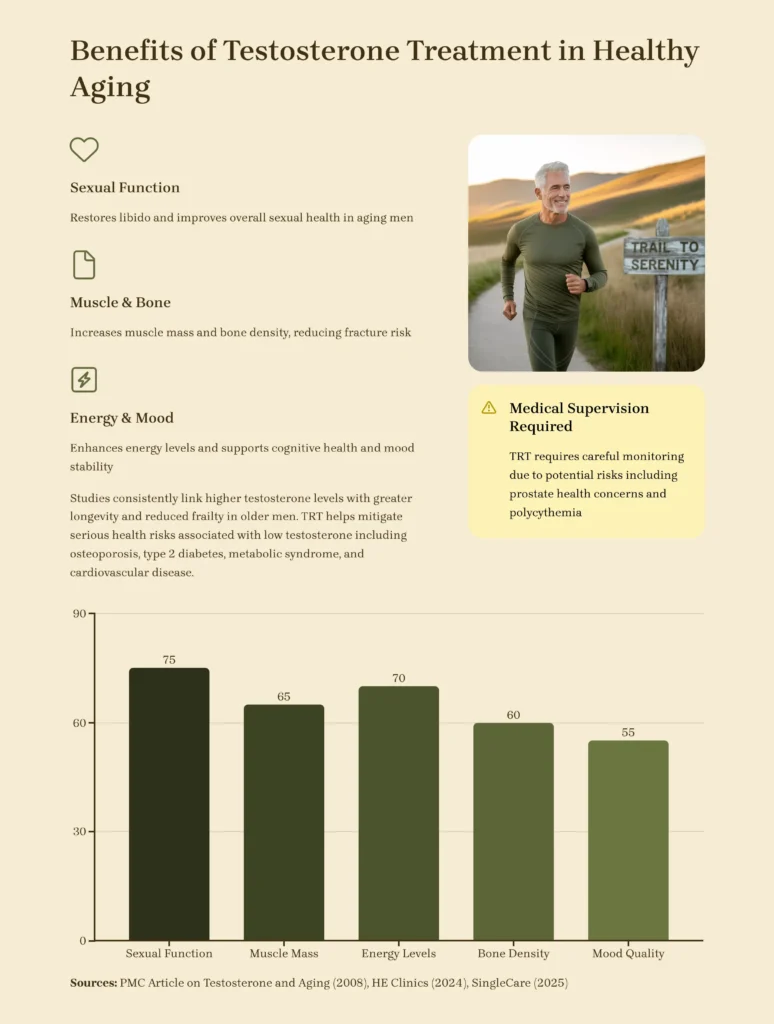
Benefits of Testosterone Treatment in Healthy Aging
Vitality Lounge Med Spa Serving the The Flats Community and Beyond in Cleveland
Vitality Lounge Med Spa is dedicated to serving the diverse needs of the local community of Cleveland, including individuals residing in neighborhood like The Flats. With its convenient location near landmarks such as the Cuyahoga RIver and major intersections like Superior Viaduct and W 24th St (coordinates: Latitude: 41.4930734, Longitude: -81.7061015), we offer low testosterone treatment services.
Get low testosterone treatment Services at The Flats Now
Call Us or Contact Us (216) 202-4770
Navigate from The Flats to Vitality Lounge Med Spa Now
Supporting Healthy Aging Through Testosterone Balance
Low testosterone treatment plays a meaningful role in supporting aspects of healthy aging. By preserving muscle mass, bone density, metabolic health, and cognitive function, therapy can complement lifestyle measures to maintain vitality and independence. Research involving populations in Cleveland and surrounding areas offers evidence that understanding and addressing low testosterone is an important component of healthy aging. Scientific studies emphasize that combining medical evaluation with lifestyle optimization and careful monitoring supports resilience, strength, and overall well-being.
FAQs
- How do I know if my testosterone levels are low?
Blood tests measuring total and free testosterone, combined with symptoms like fatigue, reduced muscle mass, or mood changes, can indicate low levels. - Can low testosterone treatment improve cognitive function?
Studies suggest therapy can positively influence memory, focus, and mood, especially when combined with healthy lifestyle habits. - Is testosterone therapy safe for older men?
With proper medical supervision, monitoring, and individualized dosing, testosterone therapy is generally safe, but risks must be assessed case by case. - How quickly do benefits appear with therapy?
Some improvements in energy and mood may be noticed within weeks, while muscle mass and bone density changes can take several months. - Can lifestyle changes alone reverse low testosterone effects?
Exercise, nutrition, stress management, and sleep support hormone health, but significant age-related declines often require clinical intervention for optimal results.