

When fatigue and low energy seem to linger despite proper rest, diet, and exercise, it may be tempting to shrug it off as just part of aging. But one factor that often flies under the radar is testosterone. Beyond its commonly known roles in libido and energy, testosterone is a key player in muscle, bone, cardiovascular health, mood, and cognitive function.
We’ll explore the long-term health improvements linked to low testosterone treatment in Cleveland, with neutral references to clinics like Vitality Lounge Med Spa as examples of medical settings where such treatments are studied and monitored.
More Than Just Energy
Have you ever felt drained despite sleeping well? Or noticed your strength slowly declining without explanation? Low testosterone might be part of the picture. While it’s natural for levels to drop slightly with age, some individuals experience a more significant decline, affecting daily life. Understanding how hormone balance influences health can shed light on long-term wellness improvements.
Understanding Testosterone and Its Role in the Body
Testosterone is more than a “male hormone.” Both men and women produce it, though men generally have higher levels. It contributes to physical strength, bone health, mental clarity, and metabolic regulation.
Why Testosterone Matters Beyond Libido
Think of testosterone as a backstage manager for multiple body systems. It quietly coordinates energy, muscle function, mood, and even metabolism. When it dips, small but impactful changes start appearing: fatigue, weaker bones, and difficulty concentrating.
How Levels Decline Over Time
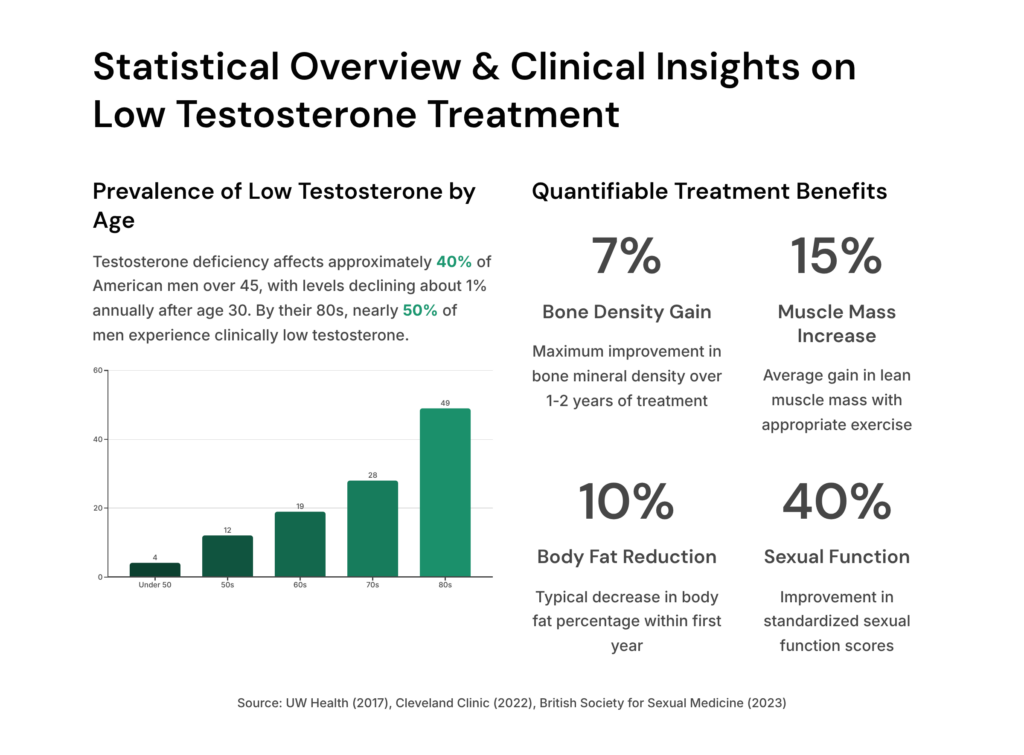
After age 30, testosterone gradually declines—typically 1–2% per year. This slow decrease can be compounded by medical conditions, lifestyle factors, or stress.
Other Factors Affecting Hormone Balance
Obesity, certain medications, chronic illness, and poor sleep can further reduce testosterone levels, creating a cycle of fatigue, low motivation, and metabolic slowdown.
The Basics of Low Testosterone Treatment
Treatment is intended to restore balance, not create “super levels.” It’s about helping the body operate efficiently again.
Medical Evaluation and Diagnosis
Healthcare professionals confirm low testosterone with blood tests, usually taken in the morning when levels peak. Diagnosis also considers symptoms, health history, and lifestyle factors.
Common Treatment Methods in Cleveland
In Cleveland, treatment may involve injections, gels, patches, or pellets. The choice depends on the individual’s needs and physician assessment. These methods aim to maintain hormone levels within a natural, healthy range.
Monitoring and Adjustments
Regular monitoring is essential. Hormone levels, blood markers, and overall health are tracked to ensure therapy remains safe and effective.
Physical Health Benefits Over Time
Muscle Mass and Strength
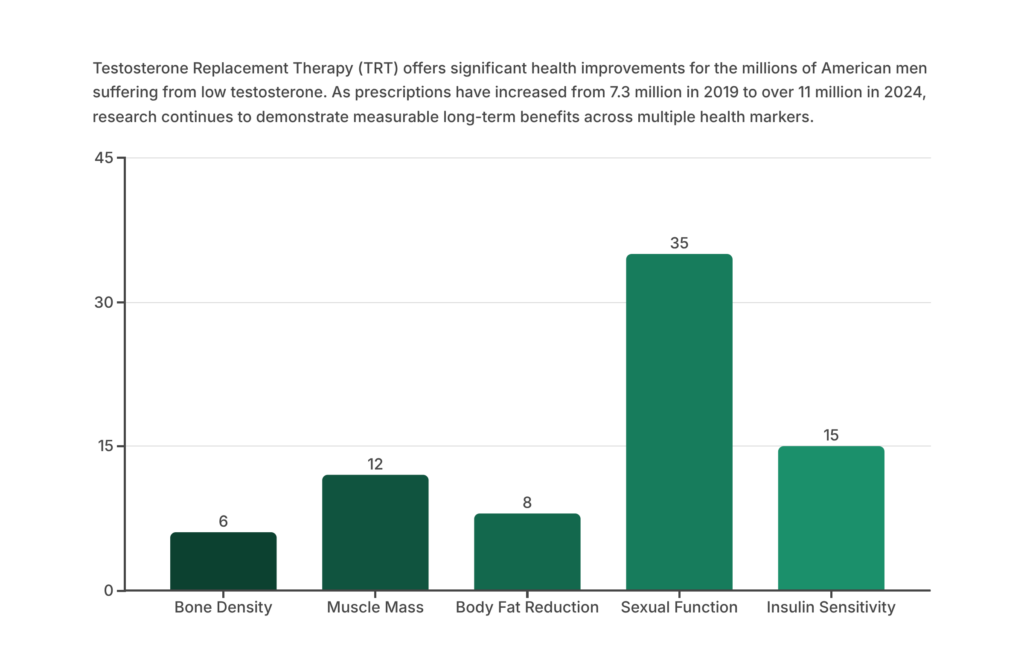
Testosterone plays a key role in muscle growth. Over time, restoring normal levels can reverse muscle loss, improving strength and physical endurance.
Bone Density and Fracture Prevention
Strong bones mean lower fracture risk. Maintaining bone density is crucial, especially for aging adults, to support long-term mobility and reduce injury risk.
Maintaining Mobility and Daily Function
Improved muscle and bone health help with daily activities—walking, lifting, and balance—keeping independence intact.
Cardiovascular Health
Research indicates testosterone influences heart and circulatory health.
Blood Pressure and Cholesterol Support
Balanced testosterone may support healthier cholesterol levels and blood pressure regulation, contributing to overall cardiovascular function.
Circulatory System Resilience
Maintaining hormone balance can improve circulation and the body’s ability to respond to physical stressors.
Cognitive and Mental Health Improvements
Mood Stabilization
Low testosterone is linked to irritability, depression, and low motivation. Treatment can help stabilize mood and emotional resilience.
Memory and Concentration
Mental fog is common with low testosterone. Over time, treatment may improve focus, attention, and clarity.
Protecting Brain Health in Aging
By maintaining hormone balance, the brain may better preserve cognitive function and memory as part of healthy aging.
Energy, Sleep, and Quality of Life
Reducing Fatigue
Many individuals report higher daily energy levels and reduced feelings of exhaustion after consistent treatment.
Sleep Pattern Improvements
Low testosterone can disrupt sleep cycles. Therapy may improve both sleep quality and duration, further enhancing daytime energy.
Overall Daily Functioning
With more energy, better mood, and improved focus, daily activities—work, exercise, and family time—become more manageable.
Preventive Health Implications
Metabolism and Weight Management
Testosterone supports lean muscle, which in turn helps regulate metabolism.
Diabetes and Insulin Regulation
Hormone balance may improve insulin sensitivity, reducing the risk of type 2 diabetes.
Inflammation and Immune Support
Some research suggests testosterone influences inflammatory markers and immune system function, which can impact long-term health.
Long-Term vs Short-Term Benefits
Gradual Changes vs Immediate Relief
While some energy improvements may appear within weeks, bone, cardiovascular, and cognitive benefits typically require months or years to fully manifest.
Sustainable Health Improvements
The ultimate goal of long-term treatment is consistent support of physical, mental, and emotional well-being over time.
The Importance of Professional Oversight
Why Clinical Guidance Is Essential
Hormone therapy requires testing, monitoring, and expert adjustments. This ensures safety and maximizes benefits.
Example: Vitality Lounge Med Spa in Cleveland as an Informational Reference
Facilities like Vitality Lounge Med Spa can be studied as examples of structured medical oversight in Cleveland. They illustrate how hormone levels are monitored and managed in a clinical setting without implying promotion.
Source: National Institute of Health (2024), CBS News (2025), Paré et al. eLife (2020)
Common Misconceptions About Low Testosterone Treatment
It’s Only About Sexual Health
While sexual function is affected, testosterone impacts bones, muscles, energy, mood, and brain function.
Only Older Men Are Affected
Younger men and even women may experience low testosterone, highlighting the broader relevance of monitoring hormone health.
Low testosterone treatment is more than an energy boost—it’s a pathway to long-term health improvements in muscle strength, bone density, cardiovascular function, mood, cognition, and overall quality of life. Approaching treatment with professional oversight, understanding the gradual nature of benefits, and learning from clinical examples in Cleveland (like Vitality Lounge Med Spa) helps frame hormone therapy as part of comprehensive wellness rather than a quick fix.
Vitality Lounge Med Spa Serving the The Flats Community and Beyond in Cleveland
Vitality Lounge Med Spa is dedicated to serving the diverse needs of the local community of Cleveland, including individuals residing in neighborhood like The Flats. With its convenient location near landmarks such as the Cuyahoga River and major intersections like Detriot Ave and Center St (coordinates: Latitude: 41.4939734, Longitude: -81.7036984), we offer low testosterone treatment services.
Get low testosterone treatment Services at The Flats Now
Call Us or Contact Us (216) 202-4770
Navigate from The Flats to Vitality Lounge Med Spa Now
FAQs
Q1: How long does it take to notice long-term benefits?
Some effects, like improved energy, may appear in weeks. Bone, cardiovascular, and cognitive improvements often require months to years.
Q2: Can women receive low testosterone treatment?
In certain cases under medical supervision, women may receive treatment to restore hormonal balance.
Q3: Is long-term therapy required?
It depends on individual health needs. Some continue long-term, while others adjust therapy based on ongoing evaluation.
Q4: Are there risks with treatment?
Risks exist, including changes in red blood cell count or fluid retention, which is why professional monitoring is essential.
Q5: How is low testosterone treatment Cleveland typically approached?
It is managed under professional supervision, using blood tests, monitoring, and adjustments, with facilities like Vitality Lounge Med Spa serving as informational examples.