

Testosterone replacement therapy, often referred to as TRT, is widely used to help men with low testosterone levels regain energy, muscle strength, mood balance, and overall quality of life. While the therapy can bring meaningful improvements, it also requires careful oversight. One of the most important aspects of ongoing care is cardiovascular monitoring. Because the heart and vascular system are sensitive to hormonal changes, paying close attention to long-term cardiovascular health is not optional.
Why Cardiovascular Monitoring Matters
The Link Between Hormones and the Heart
Testosterone interacts directly with blood vessels, cholesterol metabolism, and red blood cell production. Too much or too little testosterone can alter blood pressure, thicken blood, or impact cholesterol balance. These changes can influence how the heart functions over time.
Risks and Benefits of TRT on Cardiovascular Health
Some studies suggest TRT may improve heart function by reducing fat mass and supporting muscle growth, which in turn can aid metabolism. Others have raised concerns that TRT could elevate risks like high blood pressure, increased red blood cell count, or clotting. The mixed evidence makes regular monitoring crucial for anyone on therapy.
Key Baseline Assessments Before Starting TRT
Medical History and Risk Evaluation
Before beginning therapy, clinicians should review the patient’s cardiovascular history, including past heart attacks, strokes, hypertension, and family history of heart disease. This baseline provides a benchmark for ongoing comparisons.
Blood Pressure and Heart Rate Monitoring
Measuring resting blood pressure and heart rate is critical, as TRT can influence vascular tone and fluid balance. Uncontrolled hypertension should be managed before therapy begins.
Baseline Blood Tests
Blood panels typically include lipid profile, glucose levels, hematocrit, hemoglobin, and markers of kidney and liver function. Each of these contributes to understanding how TRT might affect long-term cardiovascular health.
Long-Term Monitoring Strategies
Regular Blood Pressure Checks
Blood pressure should be measured at every follow-up visit. Even modest increases can add strain to the cardiovascular system.
Lipid Profile Testing
Cholesterol and triglycerides should be monitored periodically. TRT can sometimes alter LDL (bad cholesterol) and HDL (good cholesterol) ratios, both of which matter for heart health.
Blood Glucose and Diabetes Screening
Since testosterone influences insulin sensitivity, periodic checks for fasting glucose or HbA1c can help detect early signs of metabolic shifts that might harm the heart.
Hematocrit and Hemoglobin Monitoring
Elevated red blood cell counts, known as polycythemia, can thicken the blood and increase clot risk. Monitoring hematocrit and hemoglobin ensures these levels stay within safe ranges.
Prostate Health and Cardiovascular Overlap
Though prostate monitoring is often discussed separately, enlarged prostates or prostate treatments can influence urinary function and cardiovascular symptoms like blood pressure changes. Both need to be tracked together.
Imaging and Advanced Heart Testing
Echocardiography
In patients with known heart disease or unexplained symptoms, echocardiography can measure heart chamber size and pumping ability over time.
Coronary Artery Calcium Scoring
This imaging test can reveal plaque buildup, helping clinicians determine whether TRT contributes to worsening coronary artery disease risk.
Electrocardiogram (ECG)
An ECG tracks electrical activity of the heart and can highlight rhythm changes or strain that may develop during therapy.
Frequency of Monitoring During TRT
First Year of Therapy
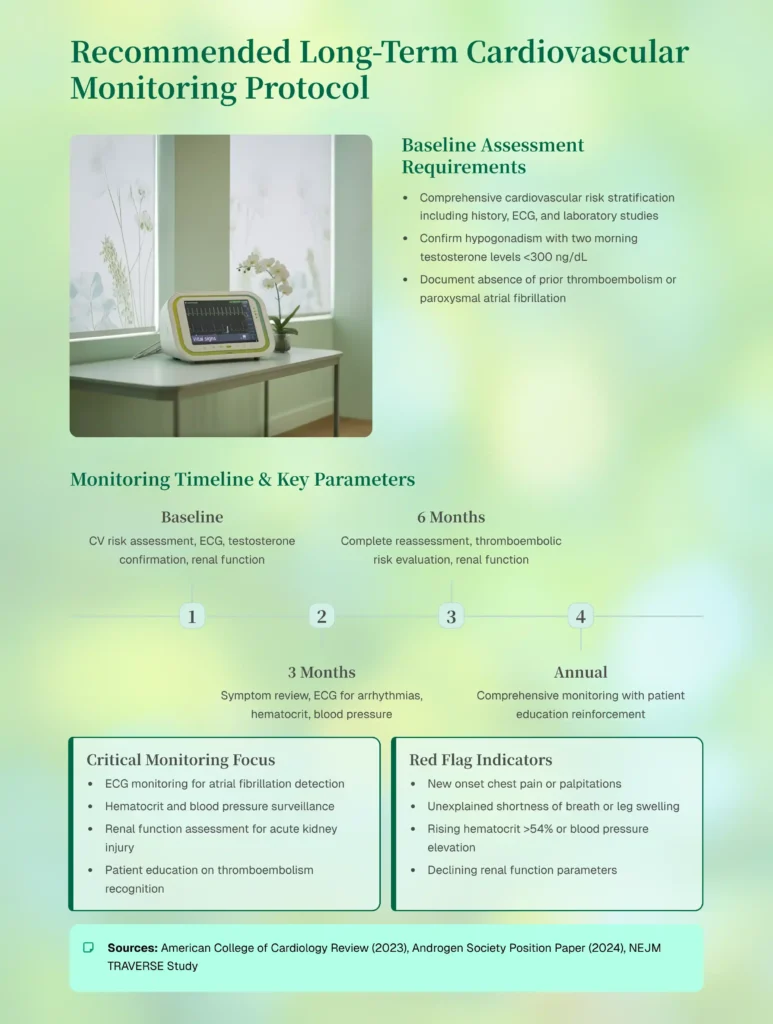
Most guidelines recommend check-ins every three months during the first year. These visits include blood tests, blood pressure measurements, and physical examinations.
After the First Year
Once stable, patients may transition to semiannual or annual visits. However, any new cardiovascular symptoms should prompt earlier evaluation.
Long-Term Lifestyle Integration
Monitoring doesn’t stop after a year. It becomes part of lifelong care, integrated with healthy lifestyle practices to keep the cardiovascular system resilient.
How Age and Pre-Existing Conditions Affect Monitoring
Men with Hypertension
Blood pressure should be tracked more frequently, and medication adjustments may be required.
Men with Diabetes
Glucose and HbA1c checks must be emphasized, as TRT may interact with existing metabolic conditions.
Older Adults on TRT
Age increases natural cardiovascular risk. For older adults, closer monitoring of heart rhythm, cholesterol, and overall vascular health is essential.
Lifestyle Factors That Support Heart Health During TRT
Diet and Nutrition
Balanced eating with emphasis on whole foods, omega-3 fatty acids, and limited processed sugars supports cardiovascular resilience.
Physical Activity and Exercise
Routine aerobic activity improves circulation, lowers cholesterol, and helps regulate blood pressure all valuable alongside TRT.
Sleep and Stress Management
Poor sleep and chronic stress elevate cortisol, which competes with testosterone’s benefits and burdens the cardiovascular system.
The Role of Shared Decision-Making
Communication Between Patient and Clinician
Open dialogue allows early reporting of symptoms like chest discomfort, palpitations, or unusual fatigue.
Personalized Monitoring Plans
Monitoring frequency and test selection should reflect the individual’s health status, risk factors, and therapy goals rather than a one-size-fits-all approach.
Insights from Cleveland Practices
Testosterone Replacement Therapy Cleveland and Local Research
In Cleveland, where leading medical centers actively study hormone therapies, researchers continue to refine how TRT interacts with cardiovascular health. This makes Cleveland an important hub for evidence-based approaches.
How Clinics Like Vitality Lounge Med Spa Approach Monitoring
Vitality Lounge Med Spa, located in Cleveland, emphasizes comprehensive monitoring as part of testosterone replacement therapy. Their approach reflects the growing understanding that cardiovascular safety requires vigilance, individualized plans, and ongoing dialogue between clinicians and patients.
Controversies and Evolving Research
Conflicting Studies on Cardiovascular Risks
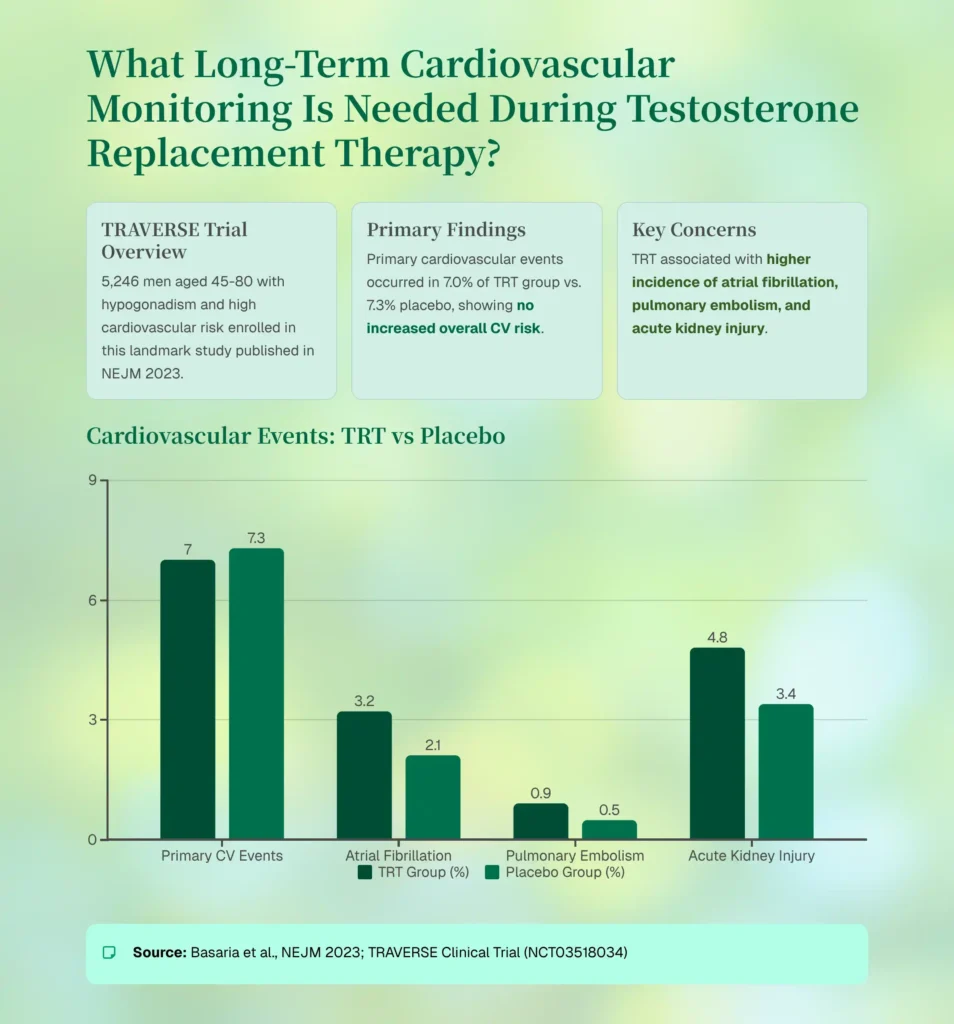
Some studies point to protective effects of TRT, while others suggest heightened risks. The differences often come down to patient selection, dosing, and duration of therapy.
Where Guidelines Stand Today
Most professional societies agree that TRT can be safe if patients are properly monitored. However, they stress the importance of individualized care and regular cardiovascular assessment.
Practical Tips for Patients on TRT
Tracking Your Own Health Data
Keeping a journal of blood pressure readings, weight, and energy levels can empower patients to notice trends before they escalate.
Recognizing Warning Signs
Shortness of breath, chest pain, or leg swelling should be reported immediately, as they could signal cardiovascular strain.
Staying Consistent with Follow-Ups
Skipping follow-up appointments increases the risk of unnoticed complications. Consistency is as important as the therapy itself.
Vitality Lounge Med Spa Serving the The Flats Community and Beyond in Cleveland
Vitality Lounge Med Spa is dedicated to serving the diverse needs of the local community of Cleveland, including individuals residing in neighborhood like The Flats. With its convenient location near landmarks such as the West Bank Golf Club and major intersections like Winslow Ave and Center St (coordinates: Latitude: 41.4948734, Longitude: -81.7061015), we offer testosterone replacement therapy services.
Get testosterone replacement therapy Services at The Flats Now
Call Us or Contact Us (216) 202-4770
Navigate from The Flats to Vitality Lounge Med Spa Now
Testosterone replacement therapy offers benefits for men with low testosterone, but it also brings responsibility. Long-term cardiovascular monitoring is not an afterthought; it is the foundation of safe therapy. From baseline assessments to routine blood tests, imaging, and lifestyle integration, each element plays a role in protecting the heart while supporting hormonal balance. Patients and clinicians working together through open communication and personalized care can maximize benefits and minimize risks. In places like Cleveland, where ongoing research and clinical practices continue to refine testosterone replacement therapy Cleveland approaches, the commitment to safe and effective therapy remains a key focus in shaping how TRT is managed today.
FAQs
1. How often should blood pressure be checked during testosterone replacement therapy?
Blood pressure should be checked at every follow-up visit, especially during the first year, to catch changes early.
2. Why is hematocrit monitoring important during TRT?
Because TRT can increase red blood cell production, monitoring hematocrit ensures the blood does not become too thick, which could raise clot risk.
3. Does TRT increase the risk of heart attacks?
The evidence is mixed. Some studies suggest neutral or even protective effects, while others show potential risk. This is why regular cardiovascular monitoring is critical.
4. Can lifestyle changes reduce cardiovascular risks while on TRT?
Yes. Balanced nutrition, consistent exercise, quality sleep, and stress management all support heart health and reduce risks.
5. Why is Cleveland often mentioned in discussions of testosterone replacement therapy?
Cleveland is home to leading medical centers and research institutions, making it a hub for studies on TRT, including its cardiovascular effects.