

Low testosterone is often shrouded in confusion and misconception. While it’s a legitimate medical condition affecting men’s health, many myths circulate about what it means and how treatments work. Understanding the science behind hormone therapy is crucial, especially for those exploring low testosterone treatment Cleveland. In this article, we’ll separate fact from fiction, helping readers navigate the nuances of treatment and lifestyle integration.
Why Misunderstandings Exist
The Complexity of Hormonal Health
Hormones are intricate chemical messengers, and testosterone is no exception. Its impact isn’t limited to muscle or libido—it influences mood, energy, bone density, and even cognitive function. Because symptoms can be subtle or overlap with other conditions, misinterpretations are common.
Common Myths vs Reality
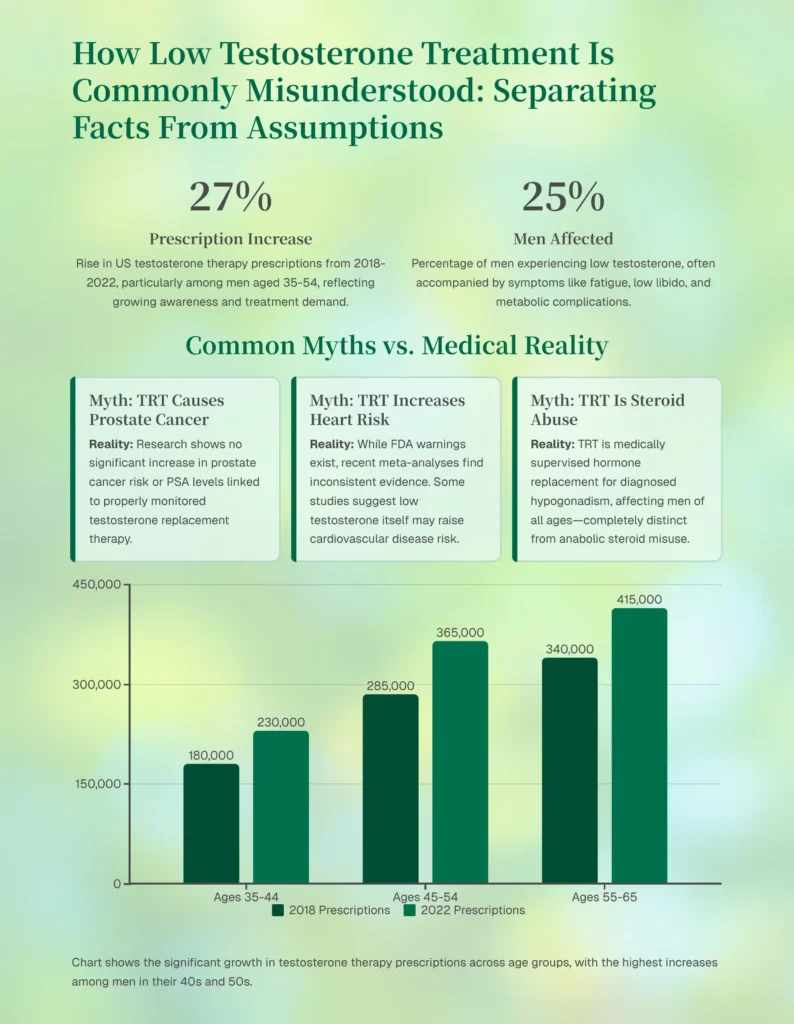
From media portrayals to anecdotal advice online, misinformation is rampant. Men may hear that therapy instantly restores vitality or that low testosterone only affects seniors. The truth is far more nuanced and requires careful consideration of science and personal health.
What Low Testosterone Actually Is
Definition and Normal Ranges
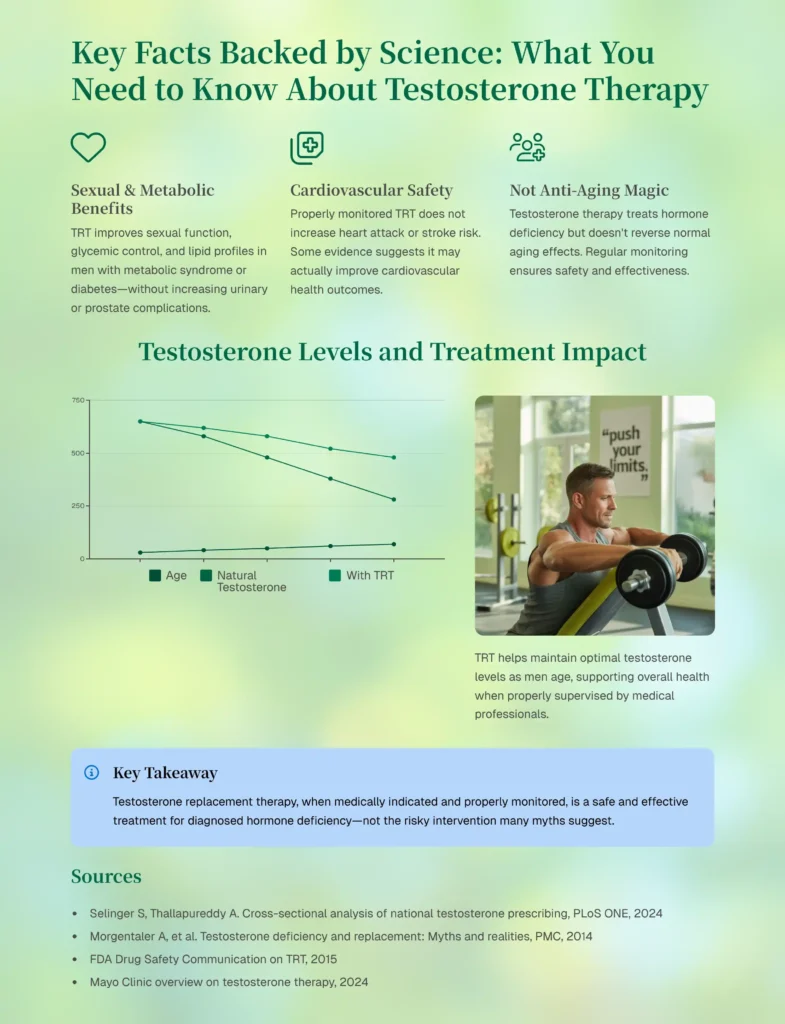
Testosterone is a key androgen hormone, essential for multiple bodily functions. Levels naturally decline with age, but low testosterone (often defined as below ~300 ng/dL in men) can occur at any age. Laboratory testing is the only reliable way to confirm deficiency.
Causes of Low Testosterone
Low testosterone can result from primary issues (testicular dysfunction), secondary causes (pituitary gland disorders), medications, chronic illness, or lifestyle factors like obesity and stress. Understanding the underlying cause is critical before initiating treatment.
Symptoms Beyond Muscle Loss
Common misconceptions focus solely on muscle or sexual performance, but symptoms extend to fatigue, mood swings, concentration difficulties, and even changes in bone density. Awareness of these broader effects helps frame expectations accurately.
Misconception #1: Low Testosterone Only Affects Older Men
Understanding Age vs Hormone Levels
While testosterone declines with age, younger men can experience low levels due to genetic, medical, or lifestyle factors. It’s not purely an age-related issue.
Cases in Younger Adults
Recent studies show increasing prevalence of low testosterone in men in their 20s and 30s, often linked to stress, obesity, or environmental influences. Recognizing this helps reduce stigma and encourage timely assessment.
Misconception #2: Testosterone Therapy Makes You “Superman”
Understanding Realistic Effects
Therapy supports normalization of hormone levels—it does not grant superhuman strength or immunity to fatigue. Gains in energy, mood, and muscle mass are gradual and vary individually.
Why Expectation Management Matters
Unrealistic expectations can lead to disappointment or unsafe practices. Accurate understanding of potential benefits versus limitations is essential for informed decisions.
Misconception #3: Exercise Isn’t Important During Treatment
How Physical Activity Supports Hormonal Health
Exercise amplifies therapy benefits by stimulating hormone production, improving receptor sensitivity, and enhancing overall well-being. Neglecting activity can blunt treatment outcomes.
Types of Exercises That Complement Treatment
Resistance training, high-intensity interval training (HIIT), and moderate cardio are particularly effective. Including flexibility and mobility work ensures recovery, reduces injury risk, and supports long-term health.
Misconception #4: Testosterone Treatment Works Instantly
The Timeline for Hormonal Changes
Changes in energy, mood, or body composition often appear gradually over weeks to months. Blood levels may normalize sooner, but visible and functional improvements require consistent therapy and lifestyle support.
Importance of Patience and Monitoring
Monitoring progress with periodic assessments ensures therapy remains effective, helps identify side effects early, and sets realistic expectations for gradual improvement.
Misconception #5: All Treatments Are the Same
Different Forms of Therapy: Injections, Gels, and More
Testosterone can be delivered via injections, topical gels, patches, or pellets. Each method has unique absorption patterns, duration of effect, and potential side effects.
Individualized Approaches and Medical Oversight
No single approach fits all. Individual physiology, lifestyle, and health conditions influence therapy decisions, highlighting the importance of medical evaluation and ongoing supervision.
Common Side Effects and Safety Considerations
Understanding Potential Risks
Like all medical treatments, testosterone therapy carries potential side effects, including acne, fluid retention, mood changes, and altered blood counts. Understanding these possibilities allows proactive management.
How to Monitor Safely
Regular blood tests, physical assessments, and symptom tracking provide a structured approach to safety. This monitoring ensures that therapy supports health without unintended complications.
Integrating Lifestyle and Nutrition for Optimal Outcomes
Diet Choices That Support Hormone Balance
Adequate protein, healthy fats, and balanced carbohydrates support muscle repair, hormonal function, and energy metabolism. Micronutrients such as zinc and vitamin D are particularly relevant for testosterone synthesis.
Sleep, Stress, and Recovery Impacts
Sleep deprivation and chronic stress elevate cortisol, which can counteract therapy benefits. Prioritizing 7–9 hours of sleep, stress management, and consistent recovery routines amplifies treatment outcomes.
The Role of Healthcare Providers in Education
How Professional Guidance Supports Understanding
Healthcare professionals can help interpret lab results, explain the science behind different treatment approaches, and provide guidance on lifestyle strategies that support hormone balance. Accurate knowledge prevents misconceptions and promotes safe, effective use of therapy.
Communicating Questions and Concerns
Open dialogue allows men to address fears, clarify expectations, and actively participate in their treatment plan. Asking questions empowers patients to make informed choices.
Separating Fact From Fiction in Media Coverage
Analyzing Headlines vs Scientific Evidence
Media often simplifies or exaggerates claims about testosterone therapy. Evidence-based understanding requires consulting research, reviewing clinical data, and distinguishing anecdote from scientific fact.
Why Misleading Information Persists
Sensationalized stories or marketing-driven articles can propagate myths. Recognizing these trends helps individuals critically evaluate information before forming beliefs about treatment.
Creating a Balanced Perspective on Low Testosterone Treatment
Combining Evidence-Based Science and Personal Experience
Optimal understanding emerges from integrating research, clinical guidance, and lived experience. Tracking personal outcomes while respecting scientific evidence fosters a balanced viewpoint.
Managing Expectations Realistically
Realistic expectations involve acknowledging gradual improvement, appreciating lifestyle contributions, and accepting individual variability. This mindset promotes satisfaction and long-term health.
Vitality Lounge Med Spa Serving the Irishtown Bend Community and Beyond in Cleveland
Vitality Lounge Med Spa is dedicated to serving the diverse needs of the local community of Cleveland, including individuals residing in neighborhood like Irishtown Bend. With its convenient location near landmarks such as the Cuyahoga RIver and major intersections like Detriot Ave and Center St (coordinates: Latitude: 41.4930734, Longitude: -81.7036984), we offer low testosterone treatment services.
Get low testosterone treatment Services at The Flats Now
Call Us or Contact Us (216) 202-4770
Navigate from Irishtown Bend to Vitality Lounge Med Spa Now
Misunderstandings about low testosterone treatment are widespread but can be clarified through education, scientific literacy, and lifestyle awareness. By separating fact from assumption, men undergoing low testosterone treatment Cleveland can approach therapy with realistic expectations, evidence-based understanding, and a structured approach that incorporates healthy habits and lifestyle strategies. Knowledge, patience, and consistency are the keys to truly benefiting from treatment while maintaining overall well-being.
FAQs
1. Is low testosterone treatment only for older men?
No. While age can influence hormone levels, younger men may also experience low testosterone due to health conditions, lifestyle factors, or genetics.
2. How soon can I expect results from testosterone therapy?
Some improvements, like energy or mood, may appear within weeks, but significant changes in muscle mass or body composition usually take months.
3. Can exercise replace testosterone therapy?
Exercise complements therapy but does not replace it. Physical activity helps optimize hormone effects and overall health.
4. Are all testosterone treatments the same?
No. Different delivery methods—gels, injections, patches, and pellets—affect absorption, duration, and side effect profiles.
5. How can I separate myths from facts about testosterone therapy?
Rely on scientific research, professional medical guidance, and evidence-based sources rather than sensationalized media or anecdotal claims.