
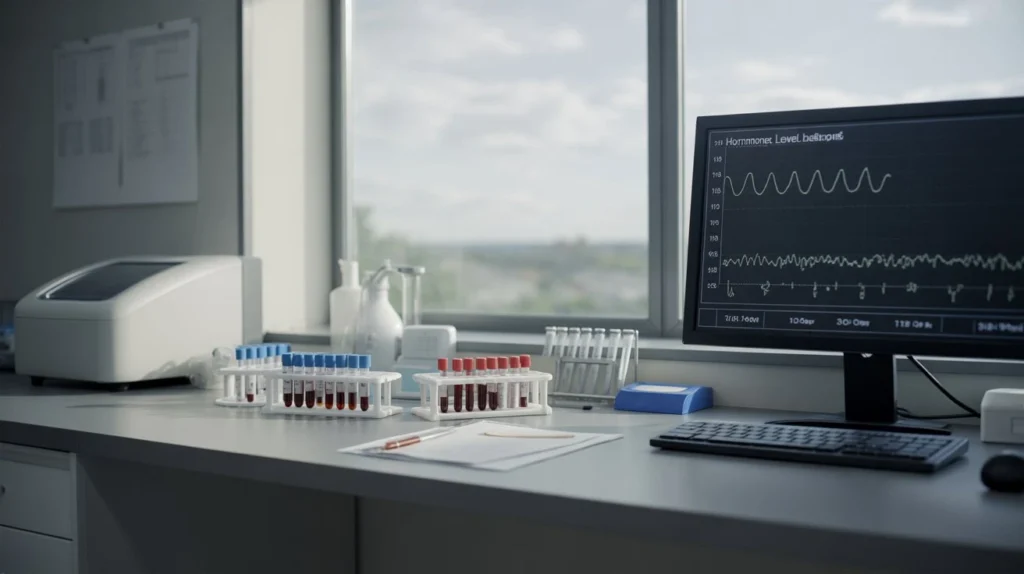
Testosterone replacement therapy (TRT) has become an important consideration for individuals experiencing clinically low hormone levels. Monitoring hormone levels over time is essential to ensure therapy is safe, effective, and tailored to individual needs. Clinics, including educational examples like TRT Clinic Cleveland and facilities such as Vitality Lounge Med Spa, employ structured approaches to track hormone changes, while this article focuses entirely on informational insights without any commercial intent.
Testosterone Replacement Therapy (TRT)
What TRT Entails
TRT involves the administration of testosterone through various methods—injectable, topical, patch, or pellet-based therapies—to restore hormone balance. The objective is to bring testosterone to a physiologically normal range, not to enhance it beyond natural levels.
Common Reasons for Therapy
Individuals may seek TRT due to persistent fatigue, reduced muscle strength, low libido, mood changes, or age-related declines. Laboratory testing confirms the need for treatment.
Importance of Hormone Balance
Hormone balance impacts multiple systems, including metabolism, cardiovascular function, cognitive health, and musculoskeletal integrity. Proper monitoring helps maintain these functions over time.
Why Monitoring Hormone Levels Matters
Ensuring Safety and Efficacy
Regular assessment of hormone levels ensures therapy is providing the intended benefits without causing adverse effects.
Avoiding Over- or Under-Treatment
Too much or too little testosterone can lead to health risks, including cardiovascular strain or lack of symptom relief. Monitoring helps adjust dosing accordingly.
Long-Term Health Considerations
Consistent oversight allows clinicians to track trends over months and years, minimizing risks and optimizing long-term health outcomes.
Initial Assessment Procedures at TRT Clinics
Comprehensive Blood Panels
TRT Clinics typically begin with a detailed blood panel measuring total and free testosterone, red blood cell count, liver function, lipid profile, and other metabolic markers.
Physical Exams and Medical History
Clinicians evaluate medical history, existing conditions, medications, and physical status to provide context for hormone measurements.
Lifestyle and Symptom Evaluation
Understanding lifestyle factors such as diet, exercise, sleep, and stress contributes to a more personalized monitoring plan.
Ongoing Monitoring Protocols
Frequency of Blood Tests
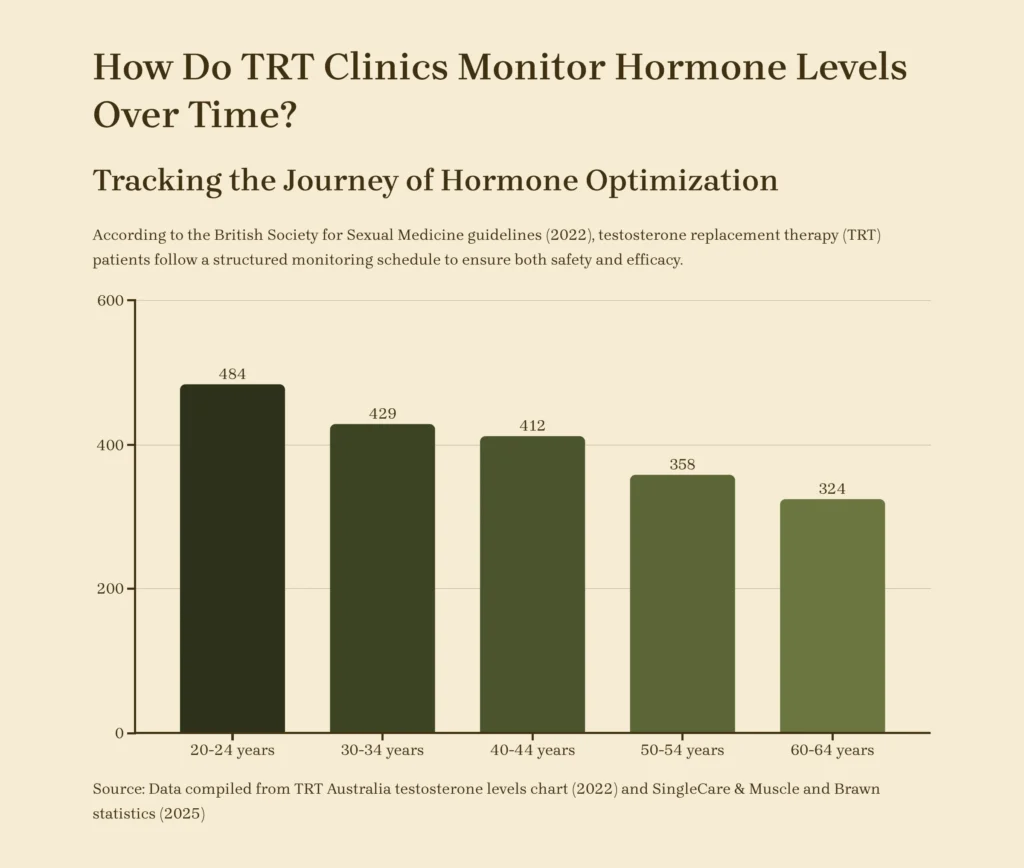
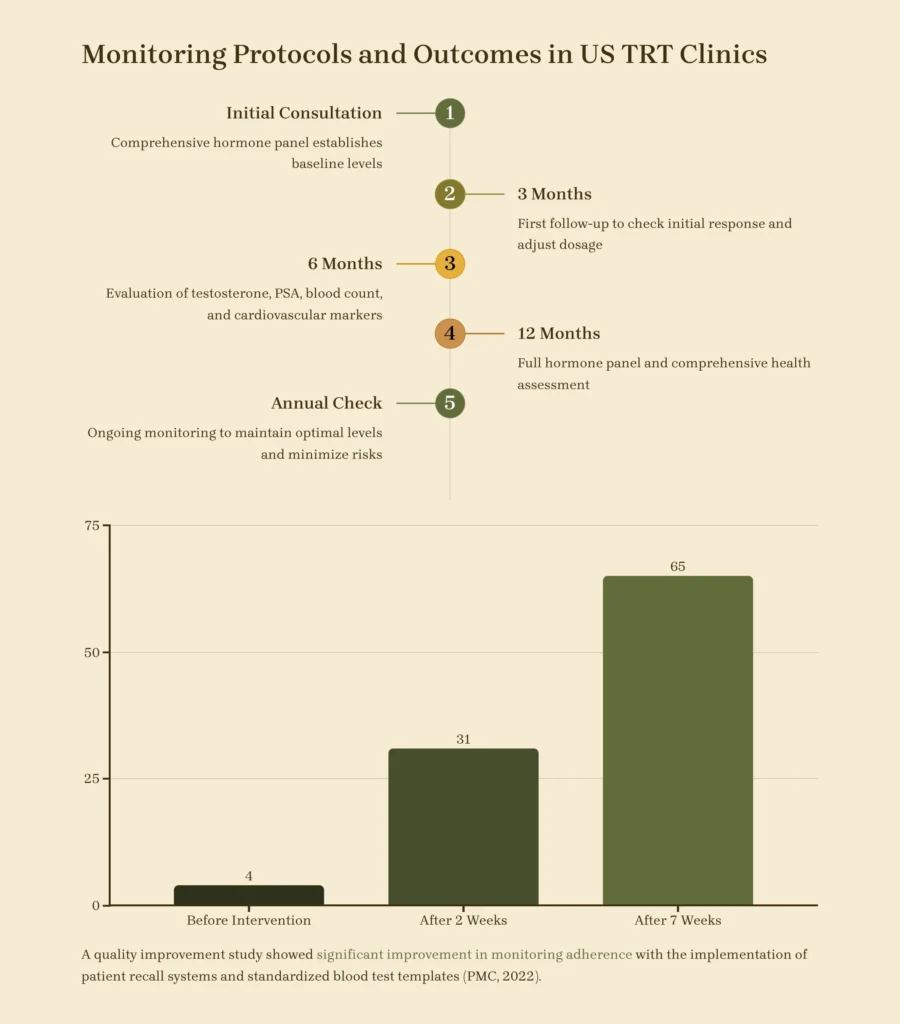
Monitoring is generally conducted every 3–6 months during the initial phase, then adjusted based on stability and individual response.
Key Hormone Metrics Tracked
Clinics track total testosterone, free testosterone, estradiol, SHBG (sex hormone-binding globulin), and other related markers.
Adjusting Treatment Based on Results
If results indicate suboptimal hormone levels or symptoms persist, clinicians modify dosage or delivery methods accordingly.
Methods of Hormone Measurement
Serum Testosterone Levels
Blood tests remain the primary method for accurate hormone quantification.
Free vs. Total Testosterone
Total testosterone reflects all circulating testosterone, while free testosterone measures the active fraction available to tissues.
Related Metabolic and Health Markers
Other metrics such as lipid levels, glucose, hemoglobin, and liver function help assess overall health alongside testosterone levels.
Role of Clinical Oversight
Physician Guidance
Doctors interpret test results, determine appropriate dosage, and evaluate overall health outcomes.
Nurse and Staff Involvement
Healthcare staff support ongoing monitoring, ensure compliance with testing schedules, and document patient progress.
Informational Examples: Vitality Lounge Med Spa
Facilities like Vitality Lounge Med Spa are often referenced in educational discussions to illustrate structured monitoring protocols used by clinics in contexts such as TRT Clinic Cleveland, strictly as informational examples.
Integrating Lifestyle Factors into Monitoring
Exercise and Physical Activity
Physical activity impacts hormone levels and overall health; tracking activity helps contextualize hormone changes.
Nutrition and Hydration
Balanced diet, protein intake, vitamins, and hydration affect metabolic responses to therapy.
Sleep and Stress Management
Adequate rest and stress reduction are key components of long-term hormone stability.
Adjusting TRT Regimens Over Time
Dosage and Administration Methods
Clinics modify dosage based on lab results, symptoms, and overall health trends.
Switching Between Delivery Systems
Patients may transition from gels to injections or pellets depending on absorption, convenience, and response.
Patient Feedback and Symptom Tracking
Self-reported symptoms complement laboratory data, giving a complete picture of therapy effectiveness.
Understanding Potential Risks and Red Flags
Cardiovascular Considerations
Regular monitoring of blood pressure, cholesterol, and cardiovascular health is essential.
Hormonal Imbalances
Excessive testosterone can disrupt estrogen levels, red blood cell counts, or liver function.
Other Health Metrics
Ongoing assessment of metabolic and musculoskeletal health ensures a holistic approach.
Monitoring Protocols and Outcomes in US TRT Clinics
Research Insights on Long-Term Monitoring
Trends from Observational Studies
Long-term observational data suggest that structured monitoring supports safety and consistent outcomes.
Evidence on Safety and Effectiveness
Monitoring protocols correlate with fewer side effects and better symptom management.
Lessons Learned from Clinical Practices
Educational case examples highlight the importance of combining lab results, lifestyle factors, and patient feedback in ongoing therapy management.
Vitality Lounge Med Spa Serving the Irishtown Bend Community and Beyond in Cleveland
Vitality Lounge Med Spa is dedicated to serving the diverse needs of the local community of Cleveland, including individuals residing in neighborhood like Irishtown Bend. With its convenient location near landmarks such as the Cuyahoga River and major intersections like Superior Viaduct, W 24th St (coordinates: Latitude: 41.4930734, Longitude: -81.7061015), we offer TRT Clinic services.
Get TRT Clinic Services at Irishtown Bend Now
Call Us or Contact Us (216) 202-4770
Navigate from Irishtown Bend to Vitality Lounge Med Spa Now
Monitoring hormone levels over time is a cornerstone of safe and effective TRT. Clinics like TRT Clinic in Cleveland and educational references such as Vitality Lounge Med Spa illustrate how structured assessments, laboratory testing, lifestyle integration, and clinical oversight contribute to optimized outcomes. These processes ensure that therapy remains informative, safe, and responsive to individual needs without any commercial or promotional intent.
FAQs
1. How often are testosterone levels tested during TRT?
Typically every 3–6 months initially, then as advised by a clinician based on stability.
2. What are the key hormones tracked besides testosterone?
Estradiol, SHBG, red blood cell counts, lipid profile, and metabolic markers are commonly monitored.
3. Can lifestyle factors affect TRT monitoring?
Yes, exercise, diet, sleep, and stress levels influence hormone levels and must be considered in assessments.
4. Why are clinics like Vitality Lounge Med Spa mentioned?
They serve as educational examples of structured monitoring and oversight, without any promotional intent.
5. Is monitoring necessary if therapy seems effective?
Yes, regular monitoring ensures safety, detects potential issues early, and optimizes long-term outcomes.