
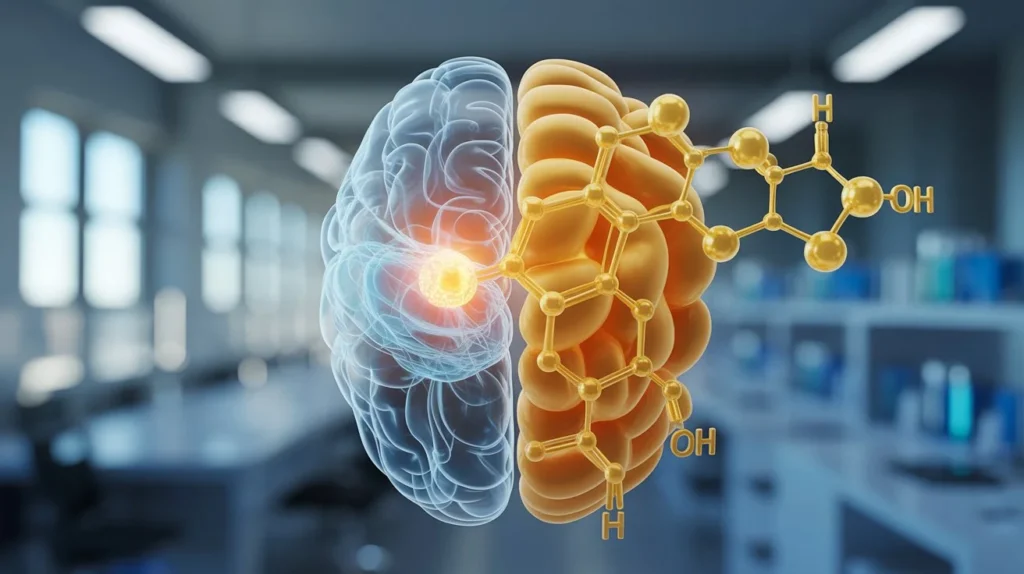
Hormones are chemical messengers that govern nearly every aspect of our body, and testosterone is no exception. While it’s widely recognized for its role in muscle growth, bone density, and energy levels, testosterone also plays a central part in emotional regulation. Men with low testosterone often experience heightened stress, anxiety, and mood fluctuations. Understanding these relationships helps shed light on the importance of hormonal balance for mental health, as demonstrated in studies on low testosterone treatment Cleveland populations.
Testosterone: Beyond Physical Health
What Testosterone Is and Its Biological Roles
Testosterone is a steroid hormone primarily produced in the testes, with minor contributions from the adrenal glands. It drives male sexual development, supports muscle and bone strength, and influences fat distribution. But beyond these physical aspects, testosterone interacts with the brain to modulate emotions, stress responses, and cognitive functions. Think of it as a conductor: it coordinates multiple systems to maintain harmony, both physically and mentally.
Testosterone’s Influence on Brain Chemistry
Testosterone affects neurotransmitters such as dopamine, serotonin, and GABA, which are critical for mood, motivation, and anxiety regulation. Lower testosterone levels can disrupt these pathways, making the brain more susceptible to stress and emotional instability. This explains why men with low testosterone often report irritability, anxiety, and difficulty concentrating.
Normal Testosterone Levels Across Age
Testosterone levels peak in early adulthood and gradually decline by about 1–2% per year after age 30. Typical adult male ranges are 300–1,000 ng/dL. Tracking both levels and symptoms is essential to understanding whether hormone-related interventions may be warranted.
Causes and Symptoms of Low Testosterone
Common Causes of Low Testosterone
Low testosterone, also called hypogonadism, can result from aging, chronic illness, medications, obesity, and genetic conditions. Primary hypogonadism originates in the testes, while secondary hypogonadism arises from hypothalamic or pituitary dysfunction. Stress, poor sleep, and lifestyle factors can also exacerbate declines.
Physical Symptoms
Men may experience reduced muscle mass, increased body fat, decreased bone density, fatigue, and diminished energy levels. These physical changes often accompany emotional and cognitive symptoms.
Emotional and Cognitive Symptoms
- Stress and Anxiety: Low testosterone can heighten stress responses by influencing cortisol levels and neurotransmitter balance. Men may feel more easily overwhelmed or tense in daily situations.
- Mood Fluctuations: Irritability, sadness, or sudden mood swings can result from disrupted hormonal signaling in the brain. These symptoms often emerge subtly but persist over time.
- Memory and Focus Issues: Cognitive effects may include forgetfulness, trouble concentrating, and “brain fog,” reflecting testosterone’s role in neurotransmitter activity and neural plasticity.
- Sleep Disturbances and Fatigue: Testosterone influences circadian rhythms and sleep quality. Low levels often result in restless nights and daytime fatigue, further compounding stress and emotional difficulties.
How Low Testosterone Impacts Stress Responses
Interaction with Cortisol
Testosterone and cortisol have an intertwined relationship. Adequate testosterone helps modulate cortisol, the primary stress hormone. Low testosterone can lead to higher cortisol levels, making stressful situations feel more intense and recovery slower.
Physiological Effects of Hormone Imbalance
Heightened heart rate, elevated blood pressure, and increased nervous system activity often accompany low testosterone. Over time, these responses contribute to chronic stress and anxiety.
Relationship Between Low Testosterone and Anxiety
Neurotransmitter Modulation
Testosterone interacts with dopamine, serotonin, and GABA systems to regulate mood and calmness. Deficiencies can disrupt this balance, predisposing men to anxiety and emotional instability.
Behavioral and Social Impacts
Men with low testosterone may withdraw socially, lose motivation, or experience reduced confidence. These behaviors are closely linked to emotional wellbeing and cognitive performance.
Emotional Health and Cognitive Function
Mood Regulation
Testosterone’s effect on neurotransmitters underlies emotional resilience. When levels decline, emotional regulation becomes more difficult, increasing susceptibility to stress, irritability, and low mood.
Cognitive Performance and Mental Clarity
Low testosterone can affect memory, focus, and executive function. Men may find it harder to plan, organize, or recall information, which can amplify stress and anxiety.
Scientific Insights on Low Testosterone Treatment
Clinical Mechanisms and Brain Effects
Low testosterone treatment works by restoring hormone levels to optimal ranges, supporting neurotransmitter balance, reducing cortisol overactivation, and improving neural plasticity. These mechanisms can help improve stress resilience, mood stability, and cognitive function.
Population Studies in Cleveland
Research in Cleveland populations evaluating low testosterone treatment Cleveland shows measurable improvements in mood, stress response, and emotional wellbeing over time. Observational studies track changes in cognitive clarity, anxiety levels, and daily stress resilience, providing educational insights into hormonal influences on mental health.

Lifestyle Factors That Complement Hormonal Health
Exercise and Stress Reduction
Regular physical activity supports testosterone production and lowers cortisol. Resistance training, aerobic exercise, and mindful practices like yoga or meditation enhance stress management and emotional stability.
Nutrition and Brain Function
Diets rich in lean proteins, healthy fats, and micronutrients such as zinc, magnesium, and vitamin D support hormone synthesis and cognitive function. Balanced nutrition complements hormonal health and helps maintain mood regulation.
Sleep and Recovery
Consistent sleep schedules, quality rest, and reducing stressors improve hormone balance, emotional resilience, and cognitive function. Sleep is a key partner in supporting mental health alongside testosterone optimization.
Risks and Considerations
Possible Side Effects
While generally safe under supervision, low testosterone treatment can cause fluid retention, acne, sleep changes, or shifts in blood counts. Awareness of these effects allows better understanding of treatment implications.
Monitoring and Individual Variability
Hormone therapy should be personalized, with regular monitoring of hormone levels, emotional symptoms, and physiological markers to ensure safety and effectiveness.

Practical Approaches to Support Emotional Wellbeing
- Track stress, anxiety, and mood alongside hormonal assessments.
- Incorporate resistance and aerobic exercise.
- Prioritize sleep hygiene and stress management.
- Maintain a nutrient-rich diet supporting hormones and brain health.
- Use data from lab tests to understand hormone trends without focusing on treatment for commercial purposes.
Vitality Lounge Med Spa Serving the The Flats Community and Beyond in Cleveland
Vitality Lounge Med Spa is dedicated to serving the diverse needs of the local community of Cleveland, including individuals residing in neighborhood like The Flats. With its convenient location near landmarks such as the Lakeview Terrace Head Start and major intersections like Division Ave and W 25 St (coordinates: Latitude: 41.4930734, Longitude: -81.7085046), we offer low testosterone treatment services.
Get low testosterone treatment Services at The Flats Now
Call Us or Contact Us (216) 202-4770
Navigate from The Flats to Vitality Lounge Med Spa Now
Hormone Balance as a Key to Emotional Health
Low testosterone significantly affects stress, anxiety, and emotional wellbeing. Educational insights from low testosterone treatment Cleveland studies demonstrate how restoring hormone balance can improve mood, stress resilience, and cognitive function. Combined with lifestyle strategies, understanding testosterone’s role provides a comprehensive perspective on mental health and aging.
FAQs
1. Can low testosterone cause increased anxiety?
Yes, it can disrupt neurotransmitter activity and cortisol balance, making men more prone to anxiety.
2. How does testosterone affect mood?
Testosterone influences serotonin, dopamine, and GABA pathways, which help regulate emotional stability.
3. Are cognitive changes reversible with low testosterone treatment?
Studies indicate improvements in memory, focus, and mental clarity, especially when paired with healthy lifestyle habits.
4. Does stress affect testosterone levels?
Chronic stress can suppress testosterone production, creating a feedback loop that impacts mood and energy.
5. Can lifestyle alone improve emotional health in low testosterone?
Exercise, nutrition, and sleep help, but research shows that significant age-related declines often require clinical understanding of hormone trends for optimal mental health.