

Testosterone replacement therapy (TRT) is often used to address clinically low testosterone levels, enhancing energy, muscle strength, mood, and overall well-being. Yet, nutrition plays a critical supporting role, ensuring the body has the necessary vitamins, minerals, and macronutrients to optimize hormonal function.
This article explores the nutrients most important alongside TRT, explains their physiological roles, and details how dietary and lifestyle factors can complement therapy. References to clinical practices in Cleveland are provided purely for educational purposes, illustrating structured monitoring and oversight of hormone and nutrient balance without any commercial intent.
Nutrition and Hormone Health
Hormones and nutrition are deeply interconnected. Every step in hormone synthesis, signaling, and metabolism depends on nutrients. For men on TRT, consuming a diet rich in essential nutrients can improve therapy outcomes, promote muscle and bone health, and help regulate metabolism effectively.
Understanding Testosterone and Its Effects
Physical Health Functions
Testosterone is critical for maintaining lean muscle mass, bone density, and proper fat distribution. It also plays a role in recovery, endurance, and overall physical performance. Inadequate levels can contribute to decreased strength, increased fat accumulation, and slower recovery from physical activity.
Mental and Emotional Health Functions
Beyond physical effects, testosterone influences mood, motivation, focus, and cognitive health. Low testosterone may be associated with fatigue, irritability, reduced motivation, and impaired concentration.
Metabolic and Cardiovascular Roles
Testosterone helps regulate lipid metabolism, glucose control, and vascular function. Balanced hormone levels contribute to energy utilization, healthy cholesterol levels, and cardiovascular performance.
The Importance of Nutrients in Hormonal Balance
Macronutrients and Their Role
Protein and Muscle Maintenance
Protein provides essential amino acids for tissue repair and muscle growth. Adequate intake supports the gains achieved through TRT, ensuring that muscles recover efficiently and maintain strength over time.
Healthy Fats and Hormone Production
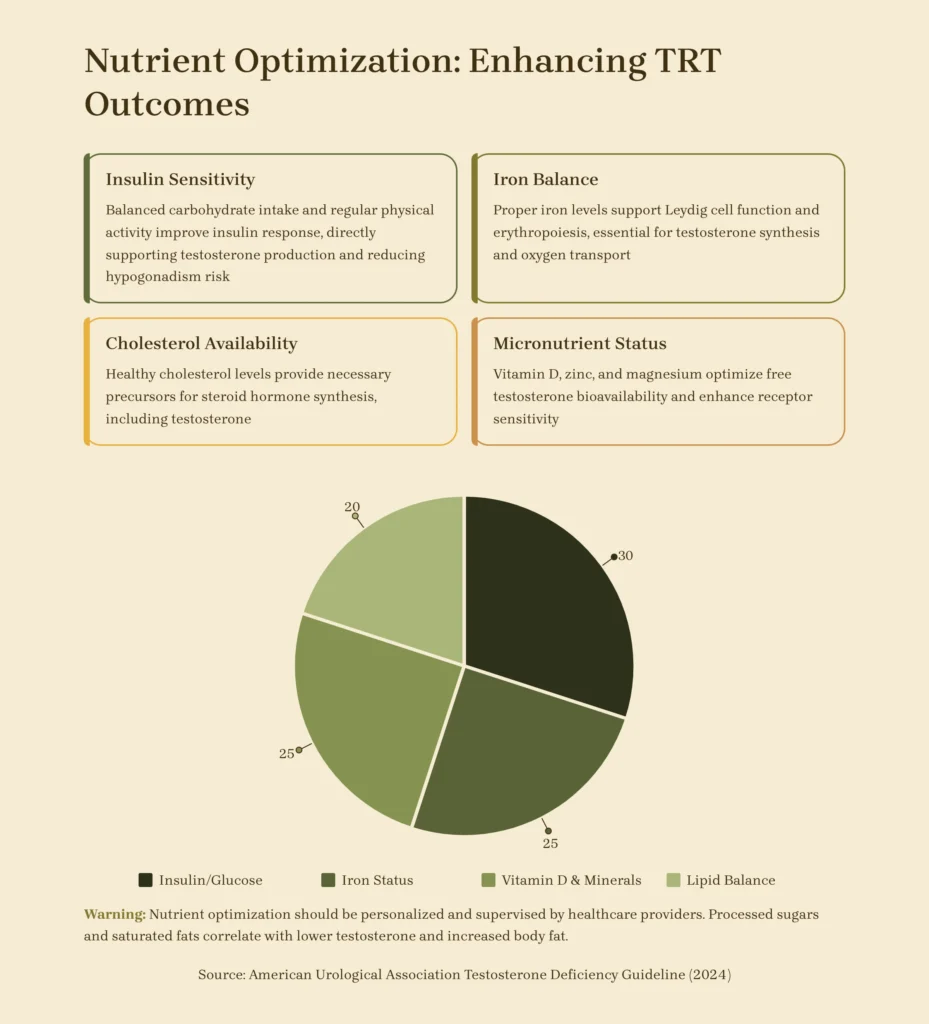
Monounsaturated and polyunsaturated fats are essential for hormone synthesis. Cholesterol, found in healthy fats, serves as a precursor for testosterone production, highlighting the importance of including sources like nuts, seeds, avocado, and oily fish in the diet.
Carbohydrates for Energy and Metabolism
Complex carbohydrates provide sustained energy for exercise and daily activity. Maintaining a stable blood sugar level prevents excessive cortisol release, which can interfere with testosterone function and overall metabolic health.
Micronutrients Essential for Testosterone
Vitamin D
Vitamin D plays a central role in testosterone production, bone density, and immune function. Deficiency is associated with lower testosterone levels, fatigue, and reduced physical performance. Sunlight exposure and dietary sources such as fortified dairy or fatty fish support adequate vitamin D levels.
Zinc
Zinc is vital for enzymatic processes in testosterone metabolism, immune function, and tissue repair. Low zinc levels can reduce testosterone production and affect recovery. Foods such as shellfish, legumes, and seeds provide natural sources of zinc.
Magnesium
Magnesium contributes to muscle relaxation, energy production, and hormonal balance. Ensuring sufficient magnesium intake through leafy greens, nuts, and whole grains can support the metabolic and recovery benefits of TRT.
B Vitamins
B vitamins, especially B6 and B12, support energy metabolism, red blood cell production, and nervous system function. Adequate B-vitamin intake can enhance energy levels and overall vitality alongside hormone therapy.
Omega-3 Fatty Acids
Omega-3s help reduce inflammation, improve cardiovascular health, and support hormone signaling pathways. Sources include fatty fish, flaxseed, chia seeds, and walnuts.
Dietary Patterns Supporting Hormone Health
Mediterranean Diet Benefits
The Mediterranean diet emphasizes vegetables, fruits, whole grains, lean protein, nuts, and olive oil. This diet pattern provides a broad spectrum of nutrients that support testosterone production, metabolic function, and cardiovascular health.
Whole-Food Approaches vs Processed Foods
Limiting processed foods and added sugars helps maintain stable hormone levels and reduces inflammation. Whole foods provide essential vitamins and minerals necessary for optimal TRT support and overall health.
Lifestyle Factors That Complement Nutrition
Exercise and Muscle Mass Maintenance
Strength and resistance training stimulate muscle growth, improve testosterone sensitivity, and enhance energy metabolism. Regular exercise amplifies the benefits of TRT and supports overall physical function.
Sleep and Recovery
Sleep is critical for hormone regulation. Poor sleep can reduce testosterone production and diminish therapy outcomes. Prioritizing 7–9 hours of restorative sleep supports both hormonal balance and general health.
Stress Management
Chronic stress increases cortisol, which can suppress testosterone levels. Mindfulness, relaxation techniques, and moderate physical activity help maintain a healthy hormonal environment.
Interactions Between Nutrients and Testosterone Replacement Therapy
Optimizing Therapy Through Diet
A nutrient-dense diet provides the building blocks necessary for hormone synthesis and tissue repair, enhancing the physiological effects of TRT. Balanced nutrition supports sustained energy, muscle maintenance, and recovery.
Supporting Bone, Muscle, and Metabolic Health
Calcium, magnesium, vitamin D, protein, and omega-3 fatty acids collectively contribute to bone strength, muscle function, and metabolic stability, complementing TRT benefits.
Monitoring Nutrient Status During TRT
Lab Assessments for Vitamin and Mineral Levels
Blood tests can monitor vitamin D, zinc, magnesium, and other key micronutrients. Detecting deficiencies early allows for dietary adjustments to support therapy and overall health.
Adjusting Diet Based on Blood Work
Based on lab results, clinicians or healthcare professionals may recommend modifying the diet to ensure adequate nutrient intake. This proactive approach supports long-term hormone balance and metabolic function.
Potential Risks of Nutrient Deficiencies
Low Zinc or Magnesium Levels
Deficiencies in these minerals can impair testosterone metabolism, reduce muscle recovery, and affect energy levels.
Insufficient Healthy Fats or Vitamin D
Inadequate intake may hinder hormone production, compromise bone health, and limit energy metabolism, reducing the potential benefits of TRT.
Educational Insights: Clinical Practices in Cleveland
Holistic Approaches to Hormone and Nutrient Balance
Educational examples from clinical settings in Cleveland show that monitoring both hormone and nutrient levels can improve therapy outcomes. These practices focus on overall well-being and long-term health without promoting any specific clinic or service.
Informational Example: Structured Nutrient Monitoring
Structured monitoring may involve tracking lab values for vitamins and minerals alongside testosterone levels, illustrating how diet and therapy work together for optimal health outcomes.
Common Misconceptions About Nutrition and TRT
“Supplements Replace a Healthy Diet”
Supplements may help address deficiencies, but they cannot replace a balanced diet rich in whole foods, which provides the full spectrum of nutrients necessary for optimal hormone function.
“Only Testosterone Matters, Not Nutrition”
TRT alone cannot fully support health if nutrition is inadequate. Adequate protein, vitamins, minerals, and healthy fats are essential for maximizing therapy benefits.
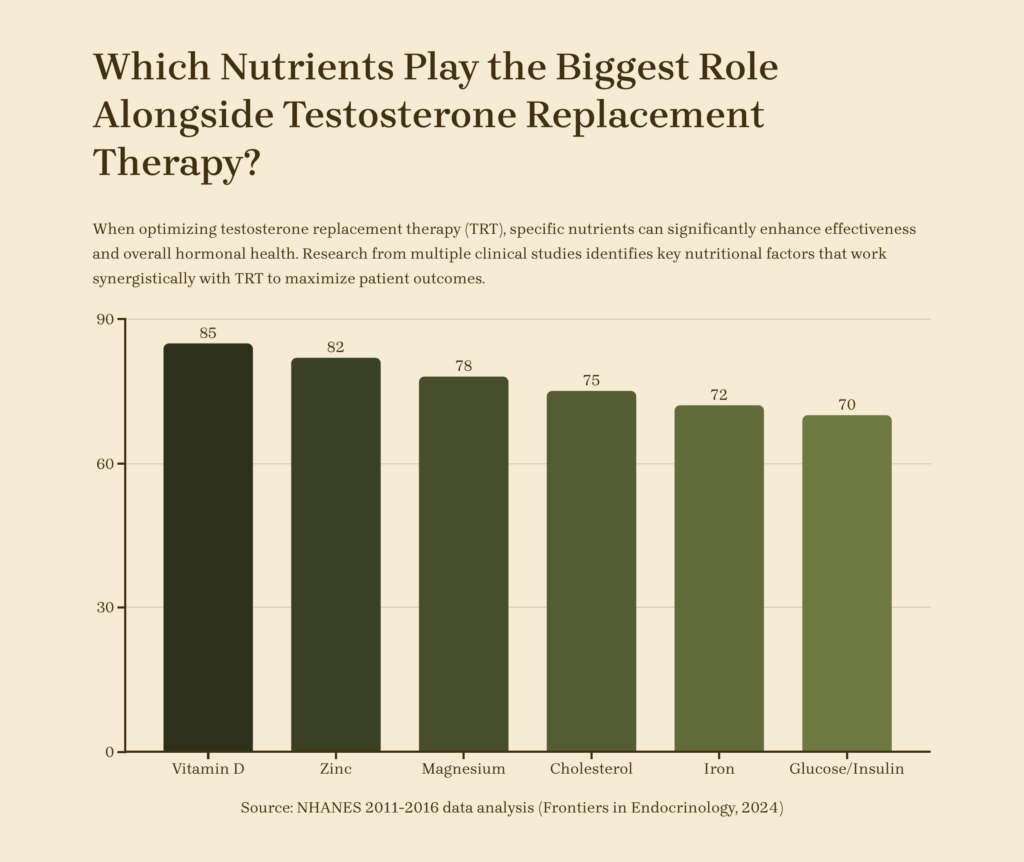
Which Nutrients Play the Biggest Role Alongside Testosterone Replacement Therapy?
Integrating Nutrients with Long-Term Hormone Health
Nutrition and lifestyle play a crucial role alongside Testosterone Replacement Therapy Cleveland. Consuming adequate protein, healthy fats, vitamins, minerals, and omega-3s supports hormone production, muscle and bone health, and overall metabolic function. Regular exercise, sufficient sleep, and effective stress management further enhance long-term benefits.
Insights from clinical settings in Cleveland emphasize the value of structured monitoring and nutrient optimization, presented purely for informational purposes. These highlight best practices in maintaining hormone and nutrient balance without any commercial promotion.
Vitality Lounge Med Spa Serving the Irishtown Bend Community and Beyond in Cleveland
Vitality Lounge Med Spa is dedicated to serving the diverse needs of the local community of Cleveland, including individuals residing in neighborhood like Irishtown Bend. With its convenient location near landmarks such as the Canal Basin Park and major intersections like Detriot Ave and Center St (coordinates: Latitude: 41.4948734, Longitude: -81.7024969), we offer testosterone replacement therapy services.
Get Testosterone Replacement Therapy Services at Irishtown Bend Now
Call Us or Contact Us (216) 202-4770
Navigate from Irishtown Bend to Vitality Lounge Med Spa Now
FAQs
Q1: Which nutrients are most critical alongside TRT?
Vitamin D, zinc, magnesium, protein, healthy fats, and omega-3s are essential for hormone support.
Q2: Can nutrition replace TRT entirely?
No, TRT is medically indicated for clinically low testosterone, while nutrition supports hormone function and overall health.
Q3: How frequently should nutrient status be checked?
Lab assessments every 3–6 months can help monitor vitamins and minerals to support therapy effectively.
Q4: Are there specific diets that enhance TRT outcomes?
Whole-food, balanced diets, such as the Mediterranean diet, support hormone production and metabolic health.
Q5: Do lifestyle factors influence TRT effectiveness?
Yes, sleep, stress management, and exercise significantly impact hormone levels and therapy benefits.